
Embracing the Benefits of Active Working
Modern office environments are increasingly moving away from static, sedentary layouts in favor of dynamic spaces that prioritize employee health. Prolonged sitting remains a significant challenge for facilities managers, as extended inactivity is linked to increased blood pressure and risks of heart disease per the CCOHS. Relying on a fixed-height desk can force the body into awkward positions, leading to muscular strain and long-term discomfort according to the Mayo Clinic.
A standing desk provides an effective solution to these workplace wellness hurdles by allowing users to transition smoothly between sitting and standing throughout the day. While traditional furniture keeps the body in a near-constant state of compression, height-adjustable workstations encourage regular movement and improved core engagement. That's My Office provides advanced solutions that help teams maintain this balance, supporting both posture and daily energy levels.
Successfully integrating a standing desk into your routine requires more than just hardware. Experts note that shifting positions every 30 to 60 minutes is more effective than attempting to stand for an entire shift per UCLA Health. By adopting a flexible approach, organisations can help mitigate the physical strain often associated with office work, ultimately creating a more productive and comfortable environment for employees.
Essential Benefits of Modern Standing Desks
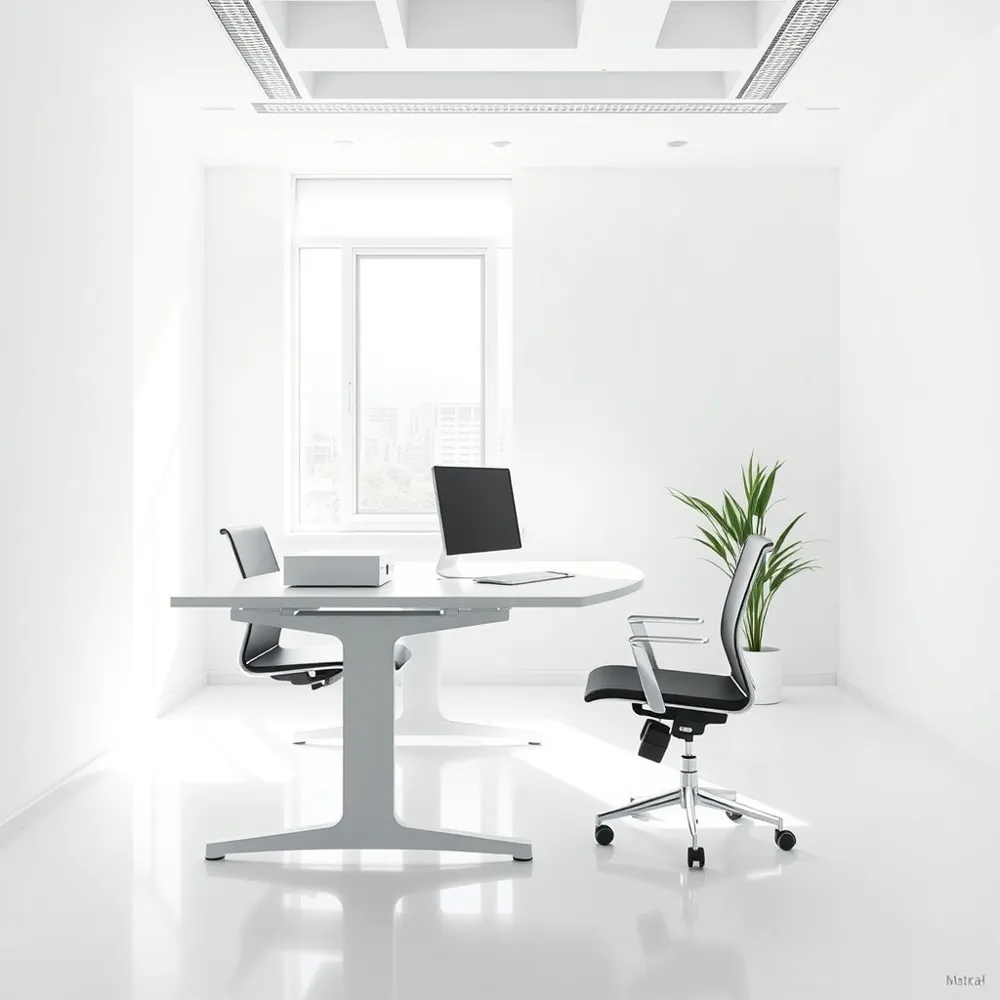
What are the primary benefits of incorporating a standing desk into the modern office? Incorporating a high-quality standing desk into the modern office is an effective way to transform workplace wellbeing by reducing the health risks associated with a sedentary lifestyle per the Mayo Clinic. By allowing for smooth transitions between sitting and standing, these workstations encourage better blood circulation, naturally improve posture, and alleviate the common neck and back strain often caused by static seating. Beyond the physical advantages, many users report significantly higher energy levels and improved focus, which directly translates to greater daily productivity.
Frequent variation in body position helps mitigate the physiological impacts of prolonged inactivity, such as the pooling of fluid in the lower body as noted by the [CCOHS](https://www.ccohs.ca/). Standing periodically helps engage core muscles and can assist in managing blood sugar levels, contributing to a more active work environment. That's My Office provides electric height-adjustable desks that allow for effortless, incremental changes to your working posture. Ultimately, offering an adjustable solution demonstrates a commitment to employee health, helping your team feel more energised and comfortable throughout the working day.
| Feature | Sedentary Desk | That's My Office Solution |
|---|---|---|
| Core Engagement | Minimal | Active Posture |
| Blood Flow | Reduced by stasis | Enhanced movement |
| Adjustability | None | Full electric control |
Mastering Your Standing Desk Setup for Spinal Health

Achieving the full benefits of our standing desk begins with precise calibration. To maintain proper ergonomic alignment, adjust your workstation height so your forearms rest parallel to the desk surface. Your elbows should form a comfortable 90-degree angle, mimicking the neutral position used while seated. This setup, as outlined in Office Ergonomics - Sit/Stand Desk, prevents unnecessary shoulder and wrist strain – and our height-adjustable desks make this calibration quick and easy for every user.
Monitor placement is equally critical to prevent neck fatigue. The top third of your display should sit at or slightly below eye level, keeping your gaze forward and your neck neutral. According to UCLA Health, positioning your screen between 20 and 40 inches away helps mitigate digital eye strain. For facilities managers upgrading office layouts, employing our monitor arms provides the flexibility needed to maintain these standards across varying user heights.
Maintaining the natural S-curve of your spine is a core requirement for long-term comfort. Stand with your head held back and your hips in a neutral, upright position. Avoid the common tendency to lock your knees, as doing so can restrict circulation and lead to muscle weakness over time. Instead, keep a slight, natural bend in your joints to encourage active stability.
- Incorporate our cushioned anti-fatigue mat to redistribute weight and reduce pressure on the feet and ankles.
- Shift your weight periodically between legs to avoid muscular fatigue caused by static standing.
- Wear supportive, cushioned footwear during the workday to further alleviate strain on lower joints.
- Follow our sit-stand routine to transition between postures every 30 to 60 minutes, ensuring you never remain in one position for too long.
Implementing an Effective Sit-Stand Routine
The secret to unlocking the full potential of a standing desk lies in movement rather than static positioning. While a sit-stand workstation is a powerful tool to disrupt sedentary patterns, standing in one place for several hours is counterproductive. Experts consistently suggest alternating between sitting and standing every 20 to 30 minutes to maintain circulation and reduce the physical strain often associated with frozen postures per CCOHS.
When beginning your transition, approach it as you would a new fitness goal rather than a permanent lifestyle change. Start with a modest target of two hours of standing per day, gradually building your stamina until you reach an optimal four-hour daily goal. This incremental approach allows your body to adapt, helping you avoid unnecessary foot or back soreness.
Standing still for too long can lead to discomfort in the feet, knees, and hips, potentially worsening the very issues you aimed to solve. To combat this, That's My Office recommends integrating supporting accessories like anti-fatigue mats into your workspace design. These mats encourage microscopic, subconscious muscle movements that sustain energy levels throughout the working day. Pairing these with a height-adjustable desk ensures that your transition between postures is seamless, professional, and ergonomically sound.
Choosing the Right Workstation for Your Floor Plan
How do I choose the right standing desk for my specific office layout? Choosing the right standing desk for your specific office layout begins with assessing your available square footage and the IT equipment required by your team. For standard dual-monitor setups, we recommend a minimum width of 1400mm, while more compact 1200mm models can serve single-monitor workstations effectively. Consider whether you need individual units or bench desking systems to encourage collaboration and maximise your floor plan. To ensure your chosen furniture integrates perfectly, That's My Office offers professional space planning, CAD layouts, and 3D visualisations that allow you to see the fit before you commit. By carefully weighing these ergonomic needs against your room dimensions, you can create a flexible, productive environment that enhances employee wellbeing.
Balancing Mechanical Needs with Flexibility
When comparing workstation types, electric height-adjustable solutions often outperform manual alternatives in busy office environments. While crank-operated models are generally more budget-friendly, electric standing desks provide seamless, quiet, and effortless transitions, encouraging users to actually use the sit-stand functionality throughout the day. Frequent adjustments should never become a chore that discourages activity; the ease of a button-operated system promotes consistent movement, which is essential for alleviating the physical strain associated with long hours of static sitting.
Maximising Floor Efficiency
Effective office design hinges on placing equipment where it supports natural movement. If your space is restricted, prioritize desks with integrated cable management to keep walkways clear and maintain a clean aesthetic as the station raises or lowers. Using 3D visualisations allows you to map out your floor plan accurately, ensuring that every employee has enough room to stand comfortably without obstructing shared transit paths. This methodical approach to layout prevents common bottlenecks and ensures that your hardware investments actually serve your business goals rather than creating new operational obstacles.
Maximising Comfort with Ergonomic Accessories
A well-configured standing desk is only the beginning of an ergonomic workspace. By integrating purposeful accessories, you can mitigate the physical demands of prolonged standing and maintain long-term comfort for your team. Anti-fatigue mats are an essential addition, providing necessary cushioning that encourages subtle, beneficial micro-movements while reducing fatigue in the feet, ankles, and legs.
Correct alignment remains crucial to success during transitions. Monitor arms offer the flexibility required to adjust screen height independently, ensuring the top third of the display consistently meets eye level regardless of whether a user is sitting or standing. This independence prevents the common pitfall of hunching forward, which often leads to unnecessary neck and shoulder strain.
Beyond active desk components, fundamental support tools play a large part in operational health. We advise encouraging the use of supportive, cushioned footwear, and providing footrests for periods of seated work to ensure feet remain firmly supported. When our team at That's My Office installs these workstations, we emphasize thorough cable management as a safety priority. This prevents snagging or tripping hazards that could otherwise occur when a desk moves through its full height range, ensuring the workspace remains both secure and efficient.
Ensuring Long-Term Success with Modern Ergonomics
Does switching to a height-adjustable desk offer long-term improvements to employee wellness? Investing in a height-adjustable desk is a proactive step that encourages movement, helping to mitigate the physical fatigue associated with prolonged sitting. By enabling users to seamlessly transition between positions, these workstations help reduce the strain on the back, neck, and shoulders while promoting better overall posture. Evidence suggests that providing sit-stand options effectively encourages behavioural changes, leading to sustained reductions in sedentary time without requiring constant supervision. While standing alone is not a complete health solution, integrating a standing desk as part of a varied daily routine can enhance concentration, boost energy levels, and contribute to a more dynamic work culture. Coupled with professional ergonomic assessments, this flexibility supports long-term musculoskeletal health and improves the overall comfort of your team.
Securing Lasting Postural Health
True workplace wellness requires more than just high-quality hardware. It relies on embedding healthy habits into the daily workflow. When employees use a standing desk, they must prioritise neutral wrist positions to prevent repetitive strain injuries. Keeping forearms parallel to the surface and maintaining an L-shape at the elbow joint helps distribute weight effectively, whether standing or seated. This focus on alignment is critical to long-term injury prevention.
Proper seated posture remains a foundational component of a wellness strategy. Employees should push their hips as far back in their chairs as possible to allow the backrest to provide full lumbar support. Knees must remain in line with the hips, with feet planted firmly on the floor or a footrest. Avoiding the habit of crossing legs is essential, as this creates unequal weight distribution that leads to chronic hip stiffness and lower back pain, as noted by UCLA Health.
Maintaining these standards over time is improved when staff have the right tools delivered correctly. Our team at That's My Office provides complete installation services to ensure desks are correctly calibrated to individual heights upon arrival. By making ergonomic configuration an effortless part of the office landscape, businesses encourage sustained behavioral changes that protect employee health for years to come.
Professional Delivery and Installation Support
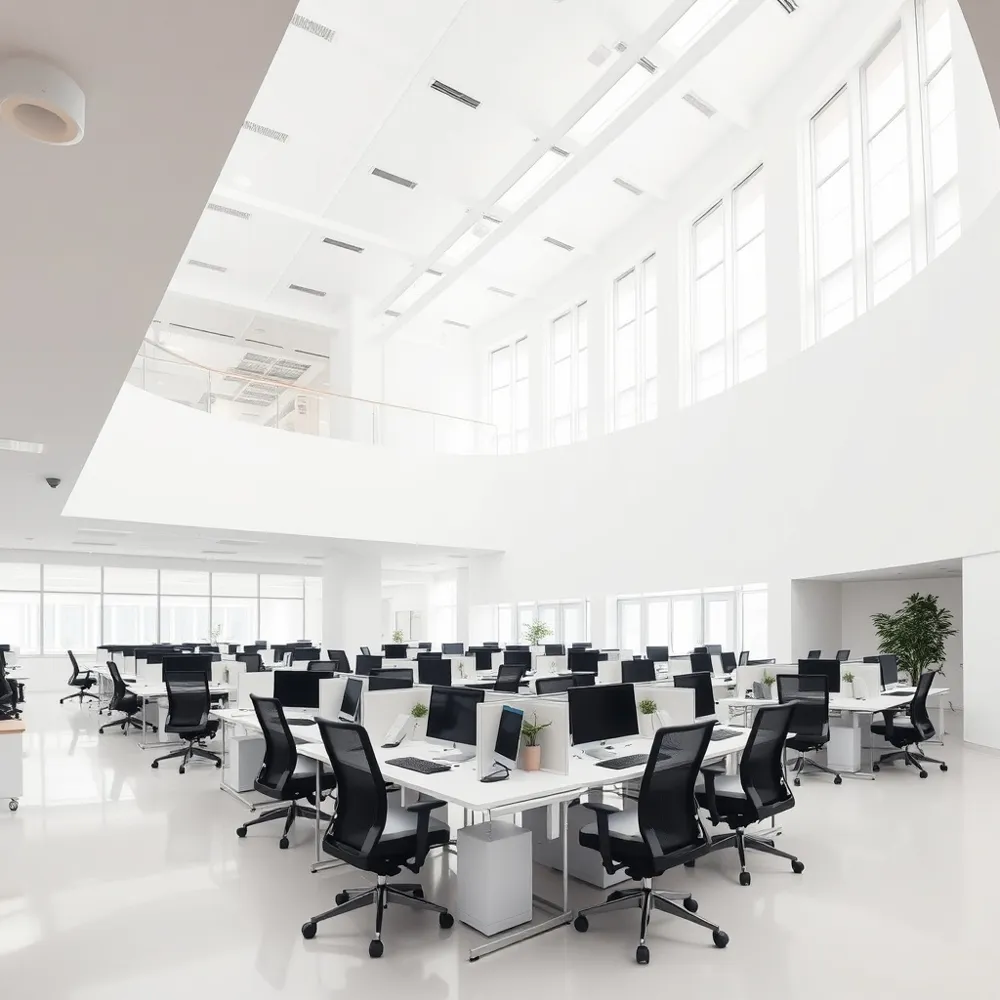
When you purchase items like a standing desk from That's My Office, we provide a complete end-to-end service designed to minimise disruption to your business operations. Our support begins with expert space planning and detailed CAD layouts to ensure your new furniture fits your environment perfectly before you even place an order.
Streamlining Your Workplace Transition
Managing the logistics of a new office setup can be complex and time-consuming for facilities managers. To remove this burden, we manage the entire delivery process, bringing your items directly to the point of use. Our skilled team handles all professional installation and assembly, ensuring that every desk is calibrated to the correct height and that all ergonomic features are fully functional. This white-glove approach provides a seamless transition, allowing your staff to start working in their upgraded environment immediately without the common stresses associated with large furniture deliveries.
Commitment to Sustainable Practices
Beyond assembly, we recognise that a clean, professional finish is essential for a productive office. To keep your workplace tidy and ready for operation, our crew performs full packaging removal and responsible recycling of all materials. These furniture reuse and sustainability programmes reflect our dedication to environmental stewardship, ensuring you do not have to manage the disposal of boxes or protective foam. By combining expert design, precise installation, and comprehensive waste management, we support your business in creating a modern, efficient, and health-focused workspace with minimal administrative overhead.
Creating a Healthier Work Environment Today
Integrating movement into your workday is a practical strategy for long-term health, as even the highest quality standing desk cannot fully eliminate the risks of a static routine. Maintaining a balance between sitting and standing encourages healthier circulation and core engagement, which helps mitigate the discomfort often linked to sedentary environments per CCOHS. Remember that variety is the core principle of effective ergonomics.
Viewing ergonomic furniture as a long-term investment is standard for facilities managers focused on sustainable workplace wellness. Poorly configured stations, such as those lacking sufficient desk depth or correct monitor height as noted by UCLA Health, often fail to deliver the expected productivity gains. Quality gear exists to support the user in the long run, not just provide a temporary aesthetic update.
Consulting with specialists allows for custom office setups that bridge the gap between individual biomechanics and technical requirements. Whether your floor plan requires small desks or extensive benching systems, the team at That's My Office provides the expertise to design solutions that genuinely function. Engaging professionals from the project start helps ensure that your investment in a standing desk delivers comfort and efficiency for years to come.



0 comments