
The New Blueprint for Commercial Workspaces
Current office furniture trends are moving away from rigid, static layouts toward agile environments that prioritize both health and operational efficiency. Organizations are increasingly adopting modular systems and ergonomic tools designed to support the flexibility of hybrid work models. This shift requires more than just replacing old desks with new ones; it demands a strategic approach to design that blends aesthetic appeal with functional longevity.
Navigating this transition can be complex, particularly when balancing bulk-pricing requirements with the need for high-quality, sustainable solutions. Unlike firms that offer only catalog options, an integrated provider simplifies this process by handling everything from initial configuration to on-site assembly. This approach helps businesses avoid common pitfalls like fragmented procurement or costly installation delays, ensuring that the final workspace matches the vision created in early planning phases.
Key themes in modern workspace design include a focus on biophilic elements, which incorporate natural wood and greenery to boost employee well-being. Whether integrating smart technology into meeting tables or establishing quiet acoustic zones, successful offices are built on a foundation of adaptability. By selecting furniture that supports diverse work styles, from focused deep-work sessions to collaborative hubs, organizations can create environments that remain effective as business needs evolve.
Modular Systems and Flexible Layouts
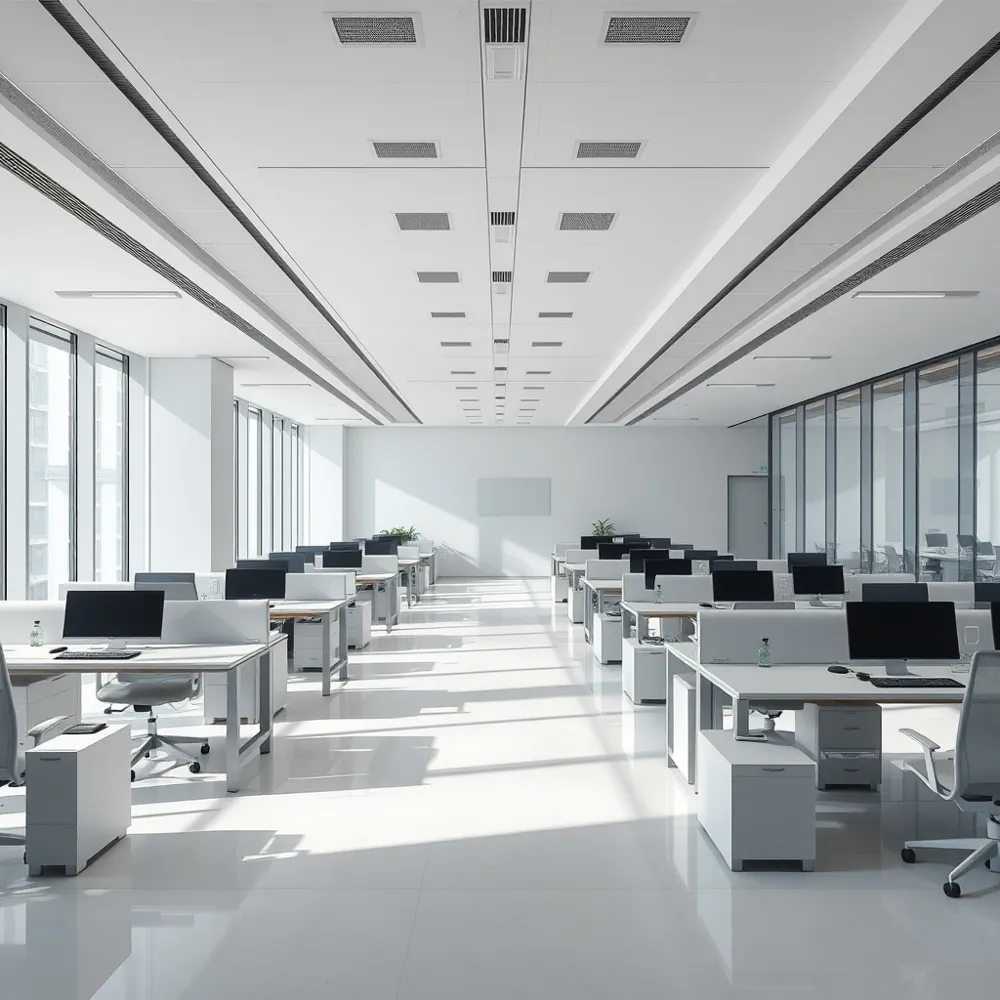
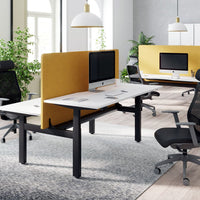
Current office furniture trends are increasingly focused on creating agile, health-conscious environments that seamlessly balance individual focus with team collaboration. We are seeing a significant shift toward versatile, modular systems and height-adjustable desks that empower employees to control their own comfort throughout the day. Acoustic solutions, such as privacy pods and sound-dampening panels, have become essential to modern design, ensuring open-plan spaces remain productive and distraction-free. Furthermore, the integration of biophilic elements and soft furnishings is transforming traditional offices into more inviting, well-being-focused hubs. At Thats My Office, we help teams navigate these office furniture trends by offering tools like augmented reality visualisation to ensure every selected piece perfectly fits the requirements of your evolving workspace.
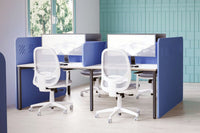
To support hybrid work models, organizations are moving away from fixed layouts toward activity-based zoning. This approach groups furniture into clusters based on task intensity, such as deep-focus stations, brainstorm spots, or social hubs. By utilizing modular furniture, moveable walls, and castor-based tables, facilities teams can reconfigure floor plans in hours rather than weeks, effectively managing changing occupancy levels without the waste associated with static fit-outs.
Adopting hot-desking or unassigned workstations requires robust asset management and durable, flexible infrastructure. While some providers offer standardized kits, Thats My Office provides professional support to help businesses select modular partitions and tables that accommodate current headcounts while preparing for future growth. Because we handle everything from design, delivery, and installation, we eliminate the fragmentation often found in traditional procurement, ensuring that your office design stays both functional and aligned with your organizational goals.
Ergonomic Furniture and Employee Wellness
Modern office furniture trends prioritize physical health as a primary factor in overall productivity and staff retention. Central to this strategy are height-adjustable desks and standing desks, which allow employees to transition between sitting and standing, effectively breaking the cycle of sedentary work habits. By providing these options, businesses can help address common physical issues such as back and shoulder pain.
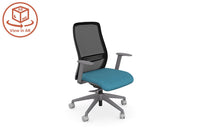
Beyond surface-level adjustments, active seating remains a foundation for a healthy workspace. Balance-focused chairs and task-specific ergonomic seating encourage micro-movements, which keep muscles engaged throughout the day. While some providers focus only on hardware, Thats My Office offers a complete design, delivery, and installation model that ensures these pieces are correctly positioned for maximum ergonomic benefit.
To support hybrid workforces, companies often implement ergonomic stipends, allowing staff to select the proper tools for both the office and the home environment. When outfitting large workspaces, procurement managers can benefit from the bulk pricing and professional support provided by Thats My Office, avoiding the common pitfalls of fragmented furniture sourcing. Ensuring every team member has access to supportive equipment is a straightforward way to reduce long-term healthcare costs and maintain a wellness-focused culture.
Acoustic Zoning and Privacy Pods
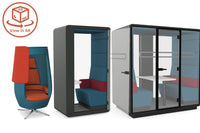
As open-plan layouts remain a staple of office furniture trends, managing noise levels has become a primary operational challenge. Facilities directors are increasingly turning to acoustic phone booths and modular quiet pods to create distraction-free zones for virtual conferencing. These structures offer a high-control environment that traditional partitioned areas often fail to provide.
Beyond enclosed pods, sound-absorbing materials such as felt-lined panels and acoustic baffles play a vital role in curbing ambient clamour. When selecting these fixtures, procurement managers often struggle with the difficulty of visualising how a booth might impact the flow of an existing, constrained office floor plan. The augmented-reality (AR) visualisation tools help teams place these units virtually to confirm spatial fit before committing to a purchase.
Dedicated Zoom rooms and small meeting spaces allow for better collaboration without disrupting the wider team. While some competitors only supply the hardware for these zones, our service model handles the entire design, deliver, and install process. This end-to-end approach ensures that acoustic panels and connectivity hubs are properly integrated, saving businesses from the fragmentation often experienced with multiple-vendor procurement.
Biophilic Design and Natural Elements
As businesses refine their physical environments to support modern work styles, biophilic design has emerged as a fundamental component of current office furniture trends. Moving beyond simple decor, this design philosophy integrates natural elements into the workspace to foster cognitive performance and employee well-being. Incorporating living walls and indoor greenery provides a tangible connection to nature that helps mitigate the stress often found in dense commercial settings.
Material selection plays a critical role in bringing these natural aesthetics into the office. The use of sustainable materials such as cork, bamboo, and reclaimed timber creates warm, inviting surfaces that replace the cold, synthetic finishes of the past. These renewable options provide both tactile variety and a reduced environmental footprint, serving as a functional cornerstone for companies looking to align their physical space with broader social responsibility goals.
Light and rhythm are just as vital as physical materials. Modern strategies prioritize maximizing natural daylight and integrating circadian lighting systems to support the natural sleep-wake cycles of employees. This approach helps maintain energy levels throughout the working day, reducing reliance on harsh artificial lighting. When combined with modular furniture layouts that maximize access to windows, these elements create environments where staff feel supported and focused, rather than confined.
Sustainable Procurement and Circular Economy
As businesses increasingly integrate environmental, social, and governance goals into their operations, sustainable office furniture trends are shifting from optional considerations to foundation requirements. Companies are prioritising items constructed from reclaimed wood or materials featuring FSC and PEFC certifications, ensuring that timber is sourced responsibly to prevent habitat destruction.
Beyond raw sourcing, the industry is embracing circular economy principles by favouring recycled plastics and reclaimed elements that reduce overall waste. Prioritising low-VOC finishes and non-toxic materials is similarly critical to improving indoor air quality for staff. When sourcing for your space, selecting manufacturers that use these environmentally friendly coatings ensures a healthier workspace while meeting modern sustainability benchmarks.
One of the most effective strategies for long-term waste reduction is the adoption of refurbishment and upcycling programs. Instead of replacing entire suites, organisations can extend the lifespan of high-quality assets through professional restoration. Thats My Office supports these circular goals by offering comprehensive design, delivery, and installation services that help facility managers avoid the fragmentation often seen when coordinating multiple vendors for furniture lifecycle management.
Diverting furniture from landfills remains an urgent priority in the UK, where vast quantities of office equipment are discarded annually. By utilizing bulk-pricing options and professional assembly services, firms can right-size their procurement to match actual headcount rather than purchasing excess inventory. This thoughtful approach to asset management not only prevents unnecessary waste but also provides a more scalable model for adapting to hybrid work environments over time.
Technology Integration and Smart Furniture
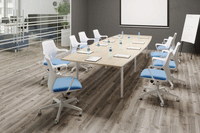
As current office furniture trends lean toward hybrid-ready work environments, the integration of technology into physical hardware is no longer a luxury. Modern meeting tables now frequently incorporate built-in charging stations and data ports, ensuring that cables no longer clutter collaborative workspaces. This focus on seamless connectivity helps teams focus on output rather than infrastructure.
Video conferencing capabilities have become a standard requirement. Integrated screens, which are often mounted directly into ergonomic furniture units or wall-mounted displays, allow for high-quality collaboration between remote and in-office staff. When companies choose to work with a comprehensive service provider, they can ensure these complex AV setups are installed professionally. This avoids the risks of fragmented procurement that can lead to costly delays and installation errors.
Smart systems now extend beyond connectivity to include automated lighting and precision climate control. These features enhance energy efficiency by adjusting to actual room usage, a critical component of sustainable interior design. Large-scale projects benefit from AI-driven occupancy analytics, which track how often and in what ways specific zones are utilized. By using data-informed layouts, organizations can ensure their furniture investment aligns with real demand rather than guesswork.
Full-Service Design, Deliver, Install Model
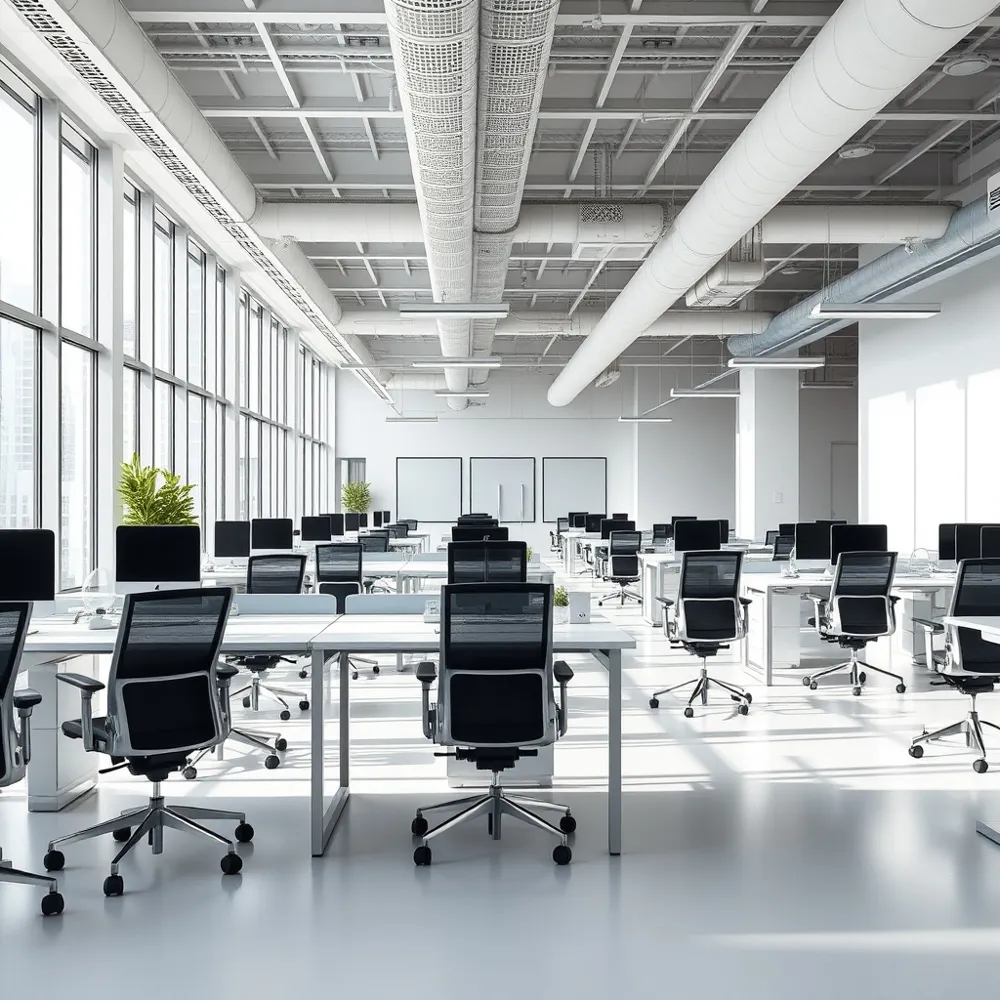
As businesses navigate shifting office furniture trends, the complexity of coordinating space planning, logistics, and assembly often creates bottlenecks. A comprehensive design, deliver, and install model addresses these challenges by centralizing procurement into a single, cohesive process. Unlike fragmented sourcing, this approach ensures that expert planners and skilled technicians manage the entire lifecycle of your furniture from initial concept to final, on-site installation.
What are the advantages of using a full-service design, deliver, and install model?
This model streamlines operations by removing the burden of manual assembly from internal teams, allowing staff to remain focused on core business objectives. Professional installers ensure that every piece is correctly positioned for safety and ergonomic alignment, effectively mitigating the risks of instability or improper use. By relying on a dedicated team, organizations avoid the common pitfalls of do-it-yourself setups, such as missing hardware, installation delays, or furniture that does not align with original floor plans. Moreover, modern providers use advanced workflows to ensure that office furniture trends are translated into functional, daily realities without site-wide disruptions.
How do professional support services mitigate risks during office reconfiguration projects?
Professional service partners act as a single point of project management, which is critical for maintaining office layouts that adhere to strict safety and building codes. Before physically moving items, many teams now use augmented reality visualisation to verify that furniture choices fit dimensions perfectly, drastically reducing the risk of costly re-orders. This digital oversight ensures that space-planning goals, such as maintaining egress routes and accessibility, remain intact throughout the project. By handling every logistical phase, including freight and warranty documentation, this approach safeguards your project budget and prevents the project drift often encountered in self-managed procurement.
Augmented Reality Visualisation in Practice
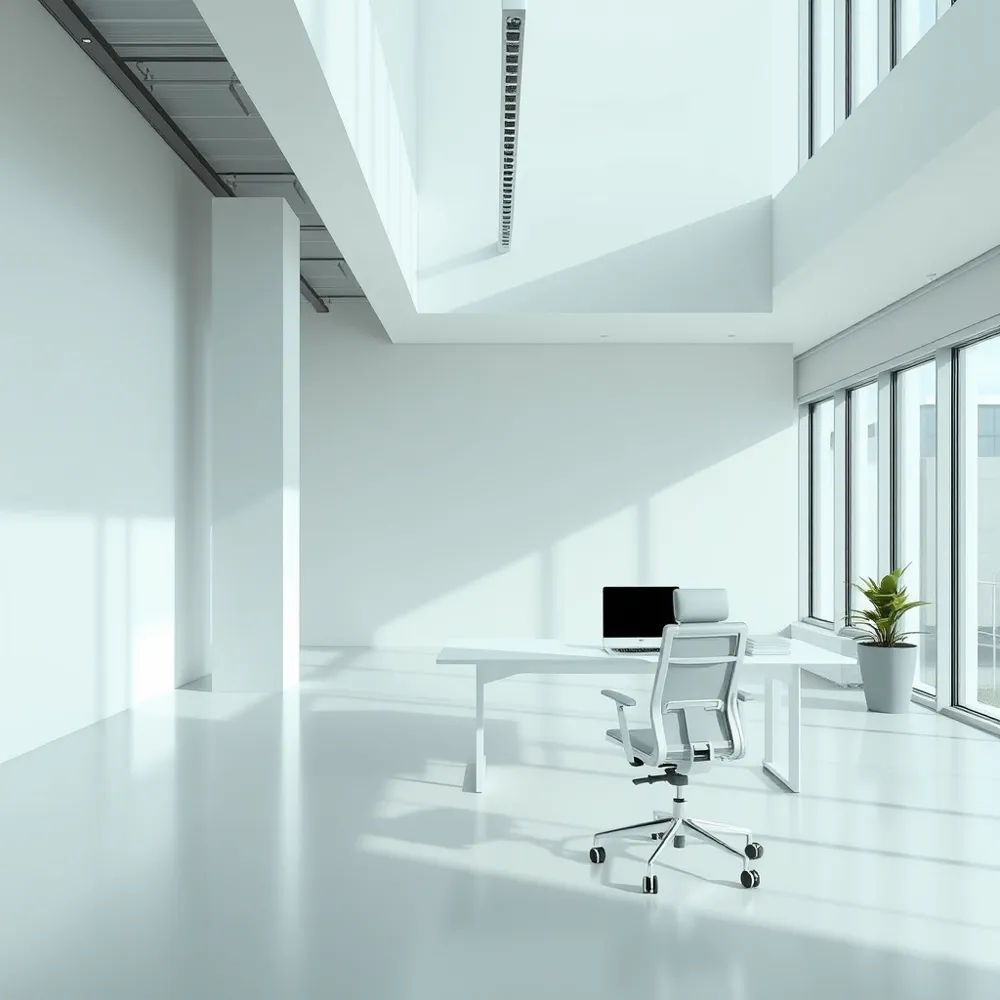
How can augmented reality (AR) assist in selecting the right office furniture? Augmented reality serves as a vital bridge between the digital and physical worlds, allowing procurement and facilities managers to accurately project 3D furniture models directly into their own office spaces.
By visualising piece-specific dimensions, textures, and ergonomics in real-time, you can eliminate the guesswork often associated with modern office furniture trends. This immersive technology provides the confidence to test how different configurations fit your floor plan, helping you avoid costly layout errors or unsuitable purchases before they are delivered. Ultimately, AR streamlines the decision-making process, ensuring that your final selection perfectly complements your existing environment and operational needs.
At thatsmyoffice.myshopify.com, we integrate this AR technology to ensure that every choice aligns with your specific square footage and spatial constraints. While some vendors rely on static 2D catalogs, our approach allows you to walk through a digital twin of your future office. As sustainable office design practices highlight, reducing construction waste and ensuring the right fit early on is a vital part of sustainable design success. By removing uncertainty with AR, you save time and budget while creating a space tailored for your team's unique activities.
Cost Management for Large-Scale Projects
How can businesses effectively manage costs when purchasing furniture for large-scale projects? For modern office furniture trends, organizations can effectively control expenses by moving beyond simple price comparisons and focusing on total project value. Leveraging bulk pricing is a primary mechanism for reducing per-unit expenditure, allowing facilities directors to maximize their operational budgets while securing high-quality assets.
Beyond immediate unit costs, fragmented procurement leads to hidden expenses like logistics delays or incompatible component arrivals. By selecting a partner that offers an integrated design, deliver, and install model, firms eliminate the operational drag associated with managing multiple contractors. When a single entity oversees every stage from layout configuration to final assembly, they naturally reduce the risks that typically cause budget overruns.
Advanced tools further refine these fiscal efforts. Utilizing augmented reality (AR) visualization ensures that configuration plans are precise before a single item is ordered, eliminating the financial risk of purchasing furniture that does not fit your physical space or collaborative requirements. When you combine this accuracy with flexible credit options, your firm gains the agility to maintain control over cash flow while upgrading critical infrastructure.
Strategic procurement directly supports long-term capital reallocation. By consolidating your purchasing strategy into a structured approach, you improve your ability to forecast future needs and redirect funds toward high-value growth initiatives. Using sustainable design strategies as recommended for modern offices also helps organizations avoid the waste of frequent replacements, making every dollar spent on workplace environments work harder for your bottom line.
Inclusive Design and Neurodiversity
As modern office furniture trends prioritize employee wellbeing, organizations are increasingly refining their spaces to accommodate neurodiversity. Moving beyond traditional layouts, businesses now create a spectrum of low-stimulation environments that allow staff to choose their workspace based on their sensory needs for the day.
- Focus pods and shielded nooks provide essential quiet areas for tasks requiring deep concentration.
- Adjustable ergonomics, such as height-adjustable desks and seating with varied support, ensure furniture accommodates a wide range of body types.
- Sensory-friendly designs incorporate tactile materials like wool or felt to dampen noise and reduce visual fatigue.
- Dedicated wellness spaces and gender-neutral design elements ensure the office remains welcoming and inclusive for all employees.
Implementation of these inclusive zones is now more attainable through flexible furniture procurement. By leveraging professional design services, companies can identify the appropriate mix of individual task furniture and acoustic dividers without the risk of purchasing unsuitable items. The use of spatial planning tools allows facility managers to test varied sensory environments before site installation, ensuring that each workstation supports both individual performance and company-wide inclusivity goals.
Hospitality-Style Aesthetics and Social Hubs
Modern office furniture trends are shifting toward hospitality-influenced layouts that prioritize employee belonging. By moving away from rigid, clinical workstations, companies can create environments that feel more welcoming and less overtly corporate.
The implementation of work cafes and breakout areas acts as a central anchor for workplace culture. These spaces utilize bar-style seating, bistro tables, and residential-style lounges to foster spontaneous collaboration, which is often difficult to replicate in static settings. Unlike standard cafeteria configurations, these hubs encourage social connection while serving as comfortable alternatives to traditional meeting rooms.
Facilities directors can bridge the gap between aesthetics and functionality by selecting durable, high-quality furniture that mimics upscale coffee shop design. Integrating these pieces into a broader office ecosystem requires precise planning to ensure the furniture fits the intended space. To simplify this, professional teams often use Augmented Reality to preview how these collaborative zones will look within an existing floor plan. This visual verification process helps teams commit to complex layouts with greater confidence.
Colour, Texture, and Sensory Finishes
Modern office furniture trends are moving away from stark, clinical aesthetics toward sensory-rich environments that prioritize employee comfort and psychological well-being. Facility directors are increasingly selecting warm neutrals and sophisticated tones, such as grounded earth pigments, to replace the over-saturated corporate branding of the past. These subtle palettes create a calming backdrop that reduces stress and helps team members maintain focus throughout the working day.
The tactile nature of these spaces has become just as significant as the visual layout. Soft textures and natural materials like wool, felt, and timber are used to soften acoustic footprints and provide a more residential or 'resimercial' feel. By incorporating these tactile elements alongside sustainable interior design practices, businesses can cultivate a sense of belonging that supports company culture.
This sensory shift often blends contemporary minimalism with retro or handcrafted accents, allowing for unique, inviting zones that balance the efficiency of office furniture trends with needed human warmth. As companies design these areas, using 360-degree digital views or AR tools to inspect how specific finishes interact with natural light helps prevent costly mismatches in textures or pigments before large-scale procurement.
Future-Proofing Through Integrated Service and Smart Choices
Modern office furniture trends are shifting toward modularity, sustainability, and technological integration as organizations manage the complexities of hybrid work. These shifts often require more than just acquiring new hardware. They demand a strategy that balances immediate aesthetic goals with long-term adaptability. Successful spaces now rely on professional oversight to ensure that investments provide lasting value.
That’s My Office helps bridge the gap between initial concept and final installation by offering tools that simplify the procurement process. Prospective clients can use an augmented reality feature on their website to preview how specific furniture arrangements will fit within their actual office dimensions. This visual validation minimizes the risk of purchasing items that fail to harmonize with existing floor plans or intended workflows.
Beyond selecting the right pieces, managing large-scale reconfigurations requires reliable logistics. The design, deliver, and install model ensures that complex office furniture trends are executed accurately without the hidden costs of fragmented delivery or improper assembly. By utilizing bulk-pricing options and professional support, facilities managers can secure high-quality solutions that support neurodiversity, physical comfort, and aesthetic consistency. For those planning a workspace update, exploring these scalable options offers a clear path toward a more efficient and responsive environment.



0 comments