
Weighing the Investment Against Daily Gains
The adoption of a height adjustable desk is becoming standard in modern UK offices as teams prioritize flexible workspaces. While these solutions represent a higher initial cost than traditional fixed-height desks, facilities managers must consider if the investment provides measurable workflow and health returns.
This article evaluates whether a standing desk justifies its price point by analyzing key factors. We will examine the latest clinical evidence on physical wellbeing, real-world productivity gains, and essential ergonomic standards. By addressing these variables, plus long-term return on investment (ROI), you can determine if upgrading your office furniture creates a truly smarter, healthier work environment for your staff.
Why Sitting Less Matters for Your Team
Office workers in the UK often spend 9 to 10 hours of their day in a sedentary state. This habit is linked to metabolic syndrome, heart disease, diabetes, and a 22% increase in all-cause mortality risk for inactive adults. Beyond physical health, prolonged sitting is frequently associated with heightened workplace stress, anxiety, and depression.
A height adjustable desk encourages movement by allowing employees to break up these long stretches of inactivity. While standard furniture keeps workers locked into a single position, these systems facilitate a dynamic, flexible, and ergonomic workspace that can help mitigate the cumulative risks of a sedentary lifestyle.
How does a standing desk contribute to a more flexible and ergonomic workspace?
A standing desk allows employees to easily switch between sitting and standing postures throughout the day. This flexibility helps users tailor their workstation to their individual height and movement needs, reducing musculoskeletal strain while supporting better posture and long-term comfort during extended work sessions.
Health Evidence That Supports the Upgrade
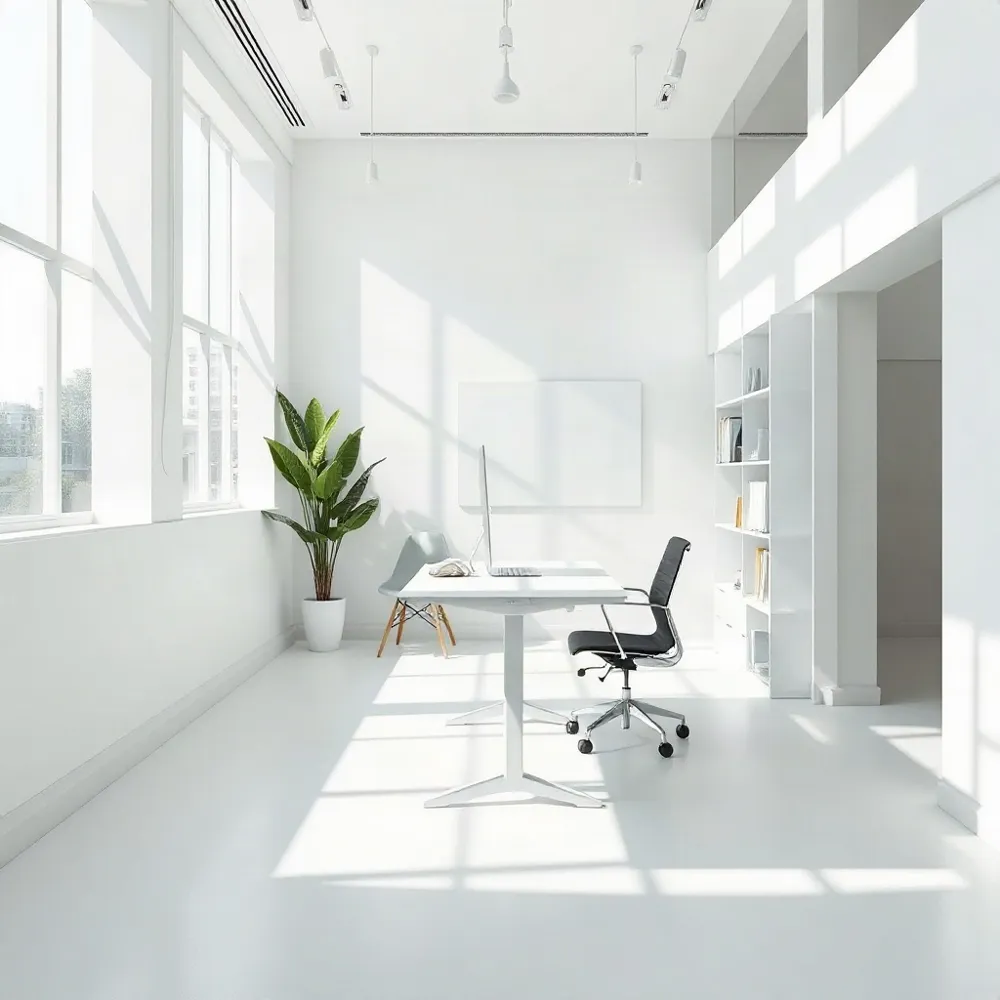
Incorporating a height adjustable desk encourages movement throughout the working day, which can help reduce sedentary behaviour, improve circulation, and boost overall energy levels and productivity for staff. By providing employees the agency to alternate postures, businesses proactively address the physical strains associated with long-term desk work.
Clinical research consistently highlights the advantages of these systems. A 2018 year-long study found that 47% of participants using a standing desk reported a significant reduction in upper back, shoulder, and neck discomfort. Within that same cohort, 65% of individuals noted improved health outcomes outside of work alongside increased concentration and productivity levels.
Beyond general comfort, specific health markers show measurable improvements. A 2022 University of Leicester peer-reviewed study concluded that these desks serve as an effective intervention for lowering workplace stress and alleviating lower body pain. Further data shows that standing for 180 minutes after lunch can reduce blood sugar spikes by 43%, while consistent usage is linked to meaningful reductions in systolic blood pressure. Adopting these solutions helps teams transition away from the risks of prolonged sedentary habits toward a more dynamic and sustainable work environment.
Productivity and Energy Gains Backed by Research
Incorporating a height adjustable desk encourages movement throughout the working day, which can help reduce sedentary behaviour, improve circulation, and boost overall energy levels and productivity for staff. When employees have the autonomy to adjust their workstation height, they often experience a tangible improvement in their daily output.
Research highlights the significant impact of simply reducing seated hours. A study from the Applied Ergonomics journal found that 87% of workers felt more energised and 66% reported increased productivity after spending just one hour of their workday standing. Similar results in the UK confirm that 66% of workers felt more productive after using a standing desk for even short intervals, while call centre data from Texas A&M University indicated that employees using these stations were 50% more productive.
For facilities managers evaluating the business case, the numbers are equally compelling. Adopting these desks can increase productivity by an average of 1.75 hours per week per employee. This operational gain contributes to an impressive return on investment, with research suggesting a potential ROI of £4.72 for every £1 spent on height adjustable furniture. By selecting professional-grade solutions from That's My Office, organisations can ensure their investment remains both durable and effective for the long term.
Ergonomics That Support Comfort and Posture
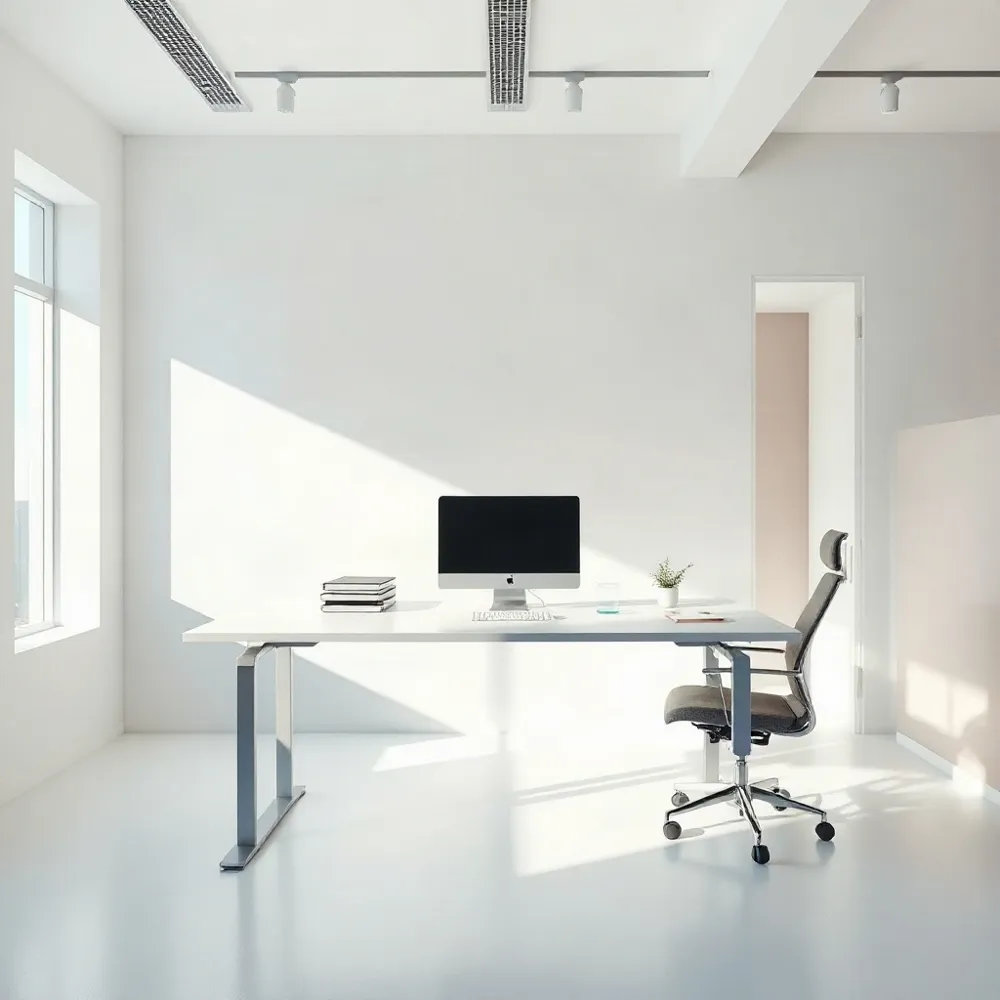
A standing desk allows employees to switch between postures, which helps tailor the workspace to individual needs and reduces strain. By allowing users to alternate between sitting and standing, these workstations provide a flexible environment that supports long-term comfort during extended work sessions.
Correct ergonomic setup is essential for achieving these benefits. Whether sitting or standing, monitor screens should be positioned at eye level to prevent neck strain, while elbows, forearms, and wrists must remain at a 90-degree angle. Maintaining this neutral, stacked position for the head, neck, and spine helps alleviate spinal compression and reduces the risk of back or shoulder discomfort commonly associated with traditional, static furniture.
- Follow the 20-8-2 rule: sit for 20 minutes, stand for 8 minutes, and move around for 2 minutes to reset your posture.
- Begin with a ratio of one hour of standing to two hours of sitting, gradually adjusting the balance based on your personal comfort levels.
- Incorporate anti-fatigue mats and supportive footwear to reduce pressure on the hips, knees, and feet during standing intervals.
- Ensure wrist positioning remains neutral to minimize the risk of strain and conditions like carpal tunnel syndrome.
Facilities managers at That's My Office often emphasize that providing high-quality equipment is only half the battle. Unlike some vendors who simply ship hardware, we provide guidance on proper workstation configuration to ensure staff gain the maximum health impact from every height adjustable desk. Pairing ergonomic tools with clear instruction prevents the misuse that can lead to discomfort, ensuring your team remains engaged and productive throughout the day.
Factors Facilities Managers Must Evaluate
When selecting a height adjustable desk for a corporate environment, facilities managers should prioritise motor reliability and build quality to ensure long-term durability. While single-motor options exist for basic needs, a dual-motor system offers superior weight capacity, faster adjustment speeds, and quieter operation compared to lighter alternatives. These premium frames also minimize the risk of mechanical failure over time.
Stability is another fundamental requirement that distinguishes high-quality equipment from budget models. Professionals should examine the frame design for integrated crossbars or stability plates, which significantly reduce side-to-side wobble during typing or when supporting heavy multi-monitor setups. Products meeting BIFMA standards are highly recommended, as they guarantee safety and ergonomic suitability for approximately 95% of users, covering height ranges from 5 feet to 6 feet 3 inches.
- Programmable memory presets allow multiple users to save preferred heights, making them ideal for hot-desking environments.
- Integrated cable management trays are essential to prevent power cords and data cables from tangling or straining as the workstation moves.
- Collision detection serves as a vital safety feature, automatically stopping the motor if the desk encounters an obstacle during adjustment.
- Professional installation and assembly services from providers like That's My Office ensure the equipment is correctly leveled and calibrated for optimal performance.
| Feature | Functional Benefit | Managerial Value |
|---|---|---|
| Dual Motors | Smooth, quiet lift | Higher weight load |
| Stability Plates | Prevents wobbling | Increased typing focus |
| Collision Sensor | Safety shutdown | Equipment protection |
Can They Work in Open-Plan Offices?
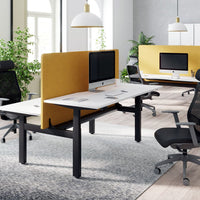
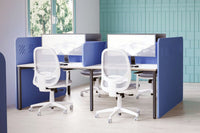
Can height adjustable desks be effectively incorporated into open-plan office layouts? Yes, modern solutions from That's My Office can be seamlessly integrated into open-plan environments to support both employee wellbeing and team collaboration. Our range features quiet electric motors and programmable memory presets to ensure that height transitions remain unobtrusive.
Successful implementation relies on careful spatial strategy. When planning your layout, it is essential to consider sightlines and natural light to ensure that a rising standing desk does not inadvertently create physical barriers or disruptive glare for nearby staff. Many facilities managers choose to pair these desks with low-profile acoustic screens to maintain a comfortable balance between personal focus and necessary team communication.
For organisations looking to balance utility with aesthetics, our team offers professional space planning and CAD layouts to ensure a perfect fit for your floor plate. With thoughtful placement, a height adjustable desk becomes a practical, positive addition to any modern, flexible office, encouraging a culture of movement without sacrificing the collaborative benefits of an open workspace.
Digital Tools to Choose the Right Model
How can businesses assess the suitability of different height adjustable desk models before purchase? To evaluate whether a specific height adjustable desk meets your office requirements, it is effective to use digital tools like 3D models and Augmented Reality (AR) to visualise exactly how a unit fits your floor plan. These technologies allow you to see the product in your actual workspace before finalizing a commitment.
Interactive 3D configurators enable teams to experiment with various sizes, surface materials, and technical features in real-time. This helps ensure that the chosen standing desk aligns with both individual ergonomic needs and your broader office design. Beyond visualising physical dimensions, facilities managers should analyze functional specifications including motor speed, operational noise levels, and total lift capacity to confirm the furniture supports your team's long-term demands.
Combining these digital insights with CAD layouts and professional space planning helps bridge the gap between initial research and a successful, future-proofed installation. That's My Office provides these technical resources to help decision-makers reduce purchase hesitation. This data-driven approach offers complete confidence that your investment will foster a productive, flexible environment that remains functional as your business scales.
Smart Adoption: Pilots and Accessories
For organisations looking to introduce a height-adjustable desk without committing to an immediate office-wide refurbishment, starting with a trial hub or pilot zone is a practical approach. Testing these workstations in a dedicated area allows facilities managers to gauge staff engagement and identify which models best suit their team's specific workflow. For smaller budgets or those wanting to test the concept on existing furniture, a standing desk converter can provide an immediate, cost-effective way to experience the benefits of sit-stand work.
Maximising the value of any workstation requires the right ergonomic accessories. Using an anti-fatigue mat is essential when standing for longer periods to reduce joint stress, while monitor arms help keep screens at eye level to support a neutral neck posture. Proper cable management is equally vital, as tidy power and data routing prevents damage to connections during height adjustments. That's My Office provides a wide range of cable management solutions designed to keep these active workspaces safe and clutter-free.
Education remains the most effective tool to ensure long-term health gains. Simply providing a desk does not guarantee better habits, so offering clear guidance on alternating positions every 30 to 60 minutes is recommended. Some modern desks even incorporate technology like motion sensors or mobile app integrations that provide gentle prompts to change posture. By combining quality hardware with consistent user education, firms can help their employees avoid the fatigue associated with sedentary behaviour and make the most of their investment.
The Bottom Line on Cost vs. Value
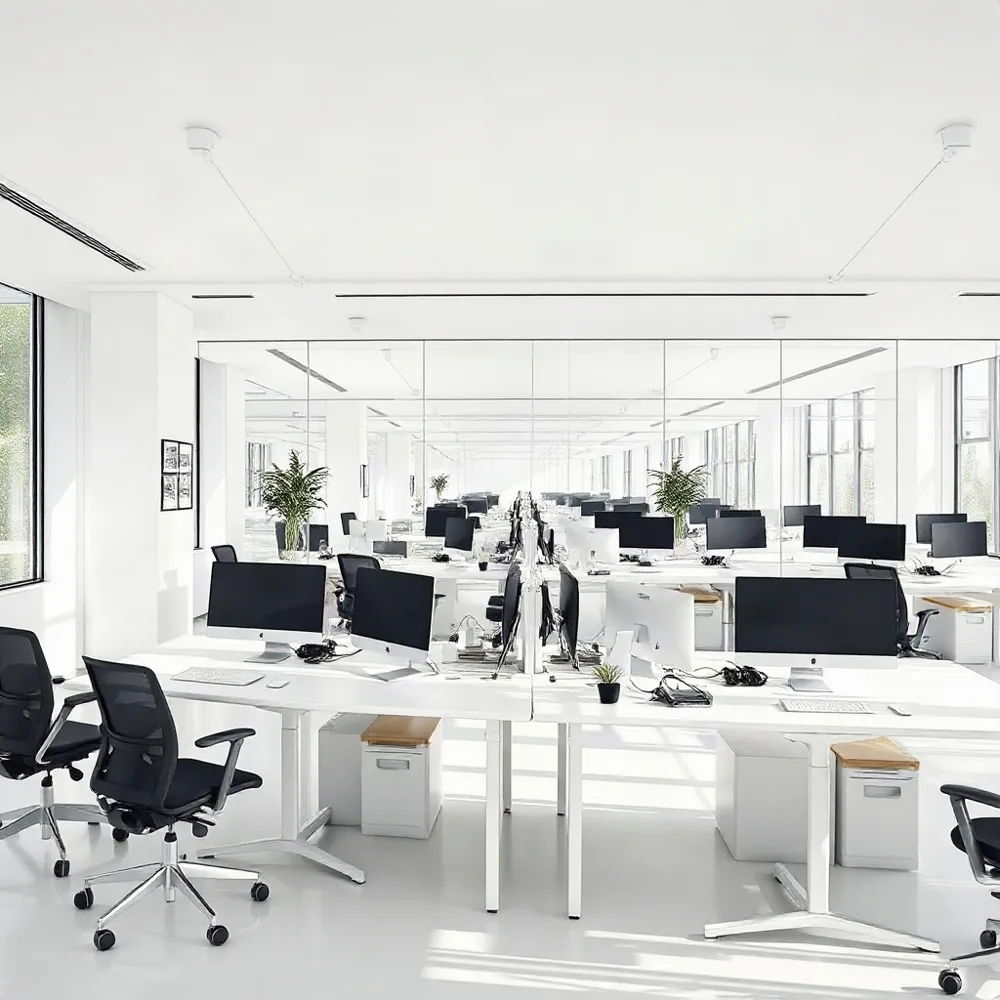
For many organisations, the initial price of a height adjustable desk is only one part of the financial picture. Research shows that these workstations can deliver a strong return on investment over time, driven by improved health outcomes and productivity gains. In contrast to cheaper, static furniture, a quality standing desk provides long-term durability that pays dividends through reduced absenteeism.
By providing employees with greater autonomy over their physical environment, firms often see improvements in staff retention and overall engagement. While these desks are not a substitute for cardiovascular exercise, they serve as a critical component in a comprehensive wellbeing strategy that encourages movement throughout the working day.
| Benefit Type | Economic Impact | Business Outcome |
|---|---|---|
| Productivity | High | Increased output |
| Health | Medium | Lower absenteeism |
| Retention | High | Staff loyalty |
Making the Smart Choice for Your Workplace
Investing in a high-quality height adjustable desk delivers a substantial return through improved employee health, increased productivity, and reduced musculoskeletal discomfort. While initial costs exceed basic furniture, the long-term gains in staff wellbeing and engagement make it a vital component of any modern, future-proofed office.
Success requires more than just hardware. Selecting durable models with reliable motor systems and integrating proper ergonomic accessories like anti-fatigue mats ensures that your team avoids common strain issues. By pairing That's My Office expert guidance with a structured transition plan, businesses can create flexible environments that support sustained performance and physical health for years to come.



0 comments