
Why the Office Furniture Debate Matters More Than Ever
Open-plan offices are designed to foster collaboration, but this layout often creates a trade-off where privacy and deep concentration are sacrificed for constant interaction. When employees struggle with noise and frequent interruptions, their ability to focus on high-stakes tasks diminishes rapidly.
The core challenge lies in meeting two distinct needs: the requirement for quiet, protected spaces for deep work and the necessity of movement to maintain long-term physical health. Providing an office phone booth offers a necessary sanctuary from noise, while a standing desk helps mitigate the health risks of sedentary behavior.
Balancing these solutions is the most effective way to design a productive, modern workplace. By integrating both tools, businesses can support employee well-being while ensuring staff have the right environment for every task.
The Productivity Cost of Open-Plan Offices
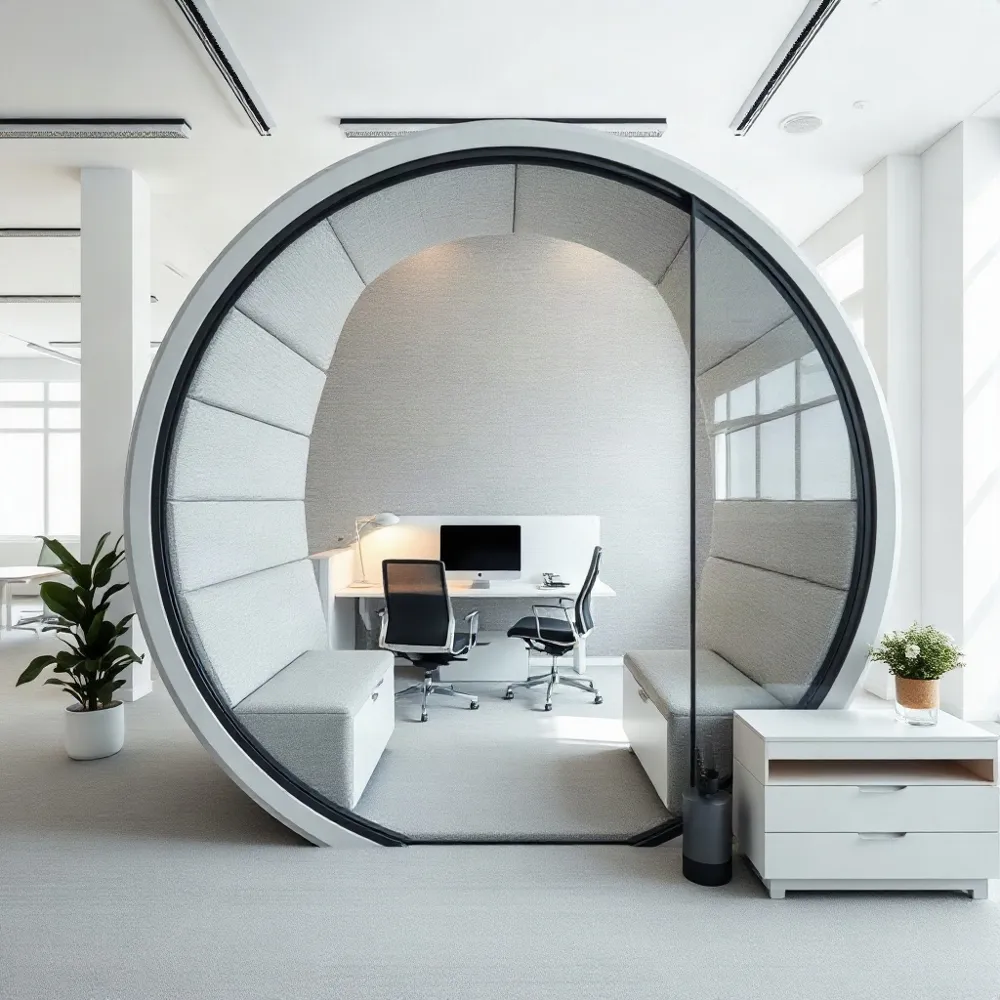
While open-plan layouts aim to foster collaboration, they often sacrifice the quiet required for deep focus. Research indicates that only 11% of workers feel satisfied with their current office environment, frequently citing high interruption rates as a major concern. Without dedicated spaces, employees may lose up to 60 hours of productive time every month due to ambient noise and constant distractions.
The impact on output is measurable and concerning. Studies show that office interruptions can double both error rates and anxiety levels among staff. In extreme cases, a lack of focus-oriented zones leads to situations where employees manage only 30 minutes of actual, concentrated work during an entire shift. According to data from 2018 and 2019, 45% of knowledge workers report that noise negatively affects their output, while 35% identify colleague interruptions as a primary barrier to completing tasks.
How can modern furniture solutions improve productivity in the workplace?
Modern furniture solutions significantly boost workplace productivity by prioritizing employee comfort and physical well-being. Incorporating a height-adjustable standing desk allows team members to alternate positions throughout the day, which helps reduce fatigue and physical strain. Additionally, installing a dedicated office phone booth provides a quiet, focused environment for calls, minimizing distractions in open-plan areas. By investing in ergonomic equipment that supports correct posture, businesses can reduce discomfort and illness-related absenteeism. Ultimately, creating a workspace that adapts to individual needs fosters higher morale and enables your team to produce their best work.
Office Phone Booths: A Sanctuary for Focus and Privacy
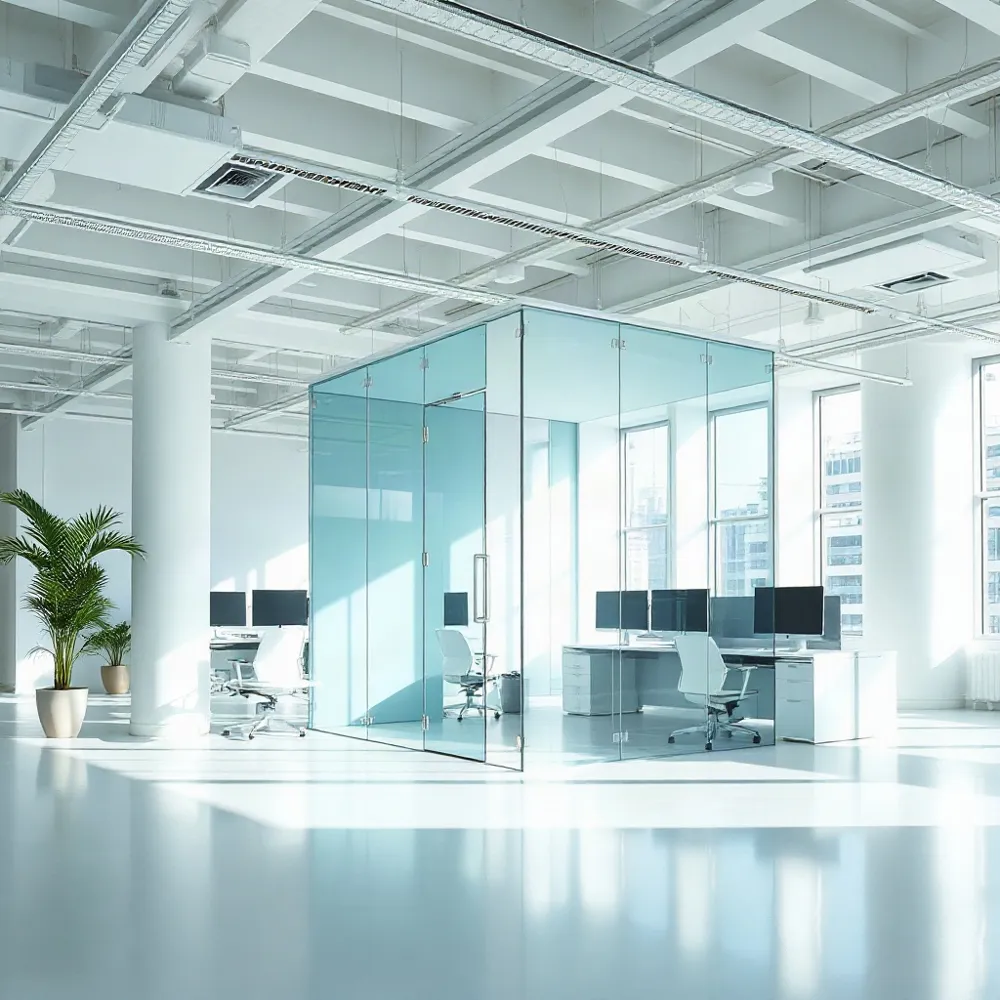
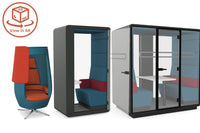
An office phone booth serves as a compact, acoustically treated enclosure specifically designed to offer immediate privacy within open-plan offices. By providing a soundproof sanctuary, these units allow employees to escape ambient noise, which is essential for conducting high-stakes video calls or deep-focus tasks without constant interruption.
Why should businesses consider incorporating an office phone booth into their floor plan? Incorporating an office phone booth into your floor plan provides a dedicated, soundproof sanctuary that eliminates the distractions inherent in open-plan environments. By offering a private space for confidential calls and focused tasks, these booths significantly reduce office noise pollution and protect sensitive information. Their modular, space-saving design allows for easy integration into existing layouts, often serving as a flexible alternative to expensive structural renovations. When combined with ergonomic solutions like a standing desk, these booths help create a more adaptable and employee-focused workspace. Ultimately, this investment improves overall productivity, enhances staff well-being, and provides the essential privacy required in the modern professional landscape.
- Noise mitigation: High-quality sound insulation creates a quiet bubble for deep work.
- Essential infrastructure: Modern TMO units include integrated ventilation, LED lighting, and power connectivity.
- Neurodiversity support: Predictable, lower-stimulation environments help staff manage sensory needs.
- Hybrid flexibility: A professional, distraction-free backdrop for virtual meetings.
Height-Adjustable Desks: Movement That Boosts Health
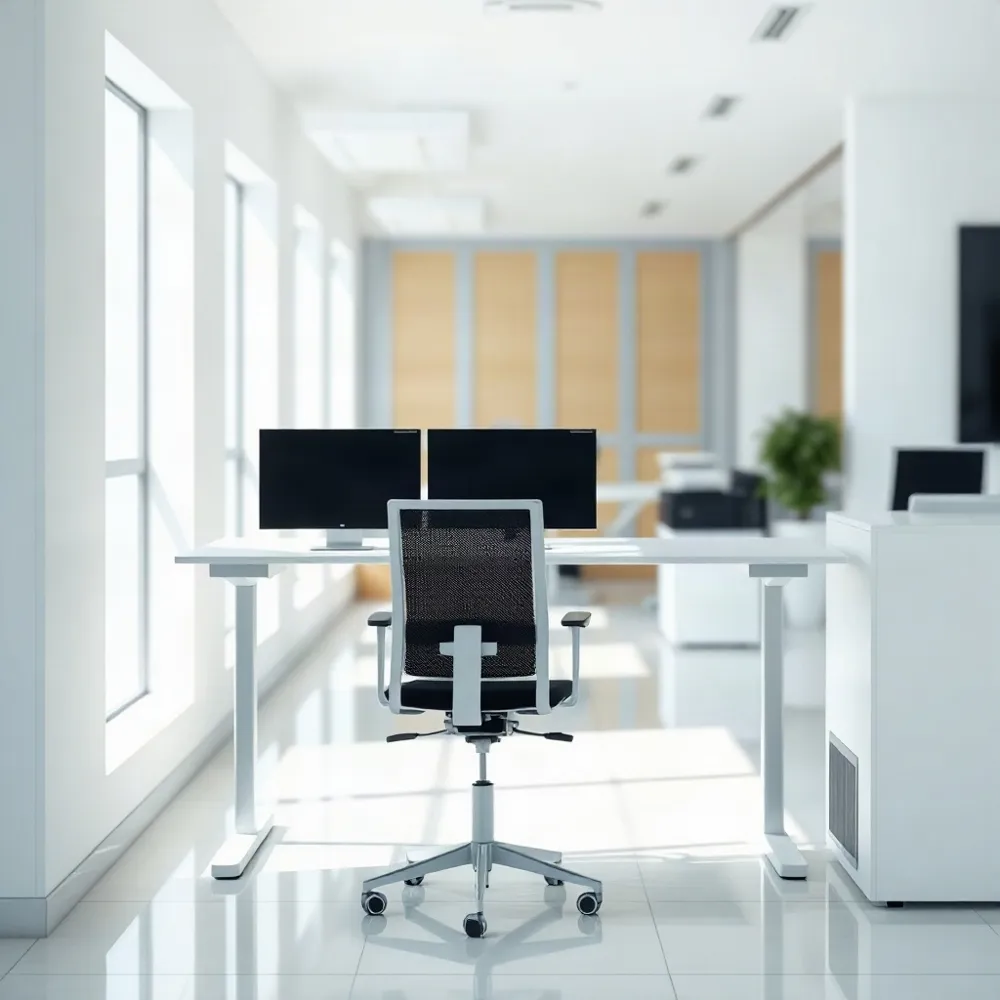
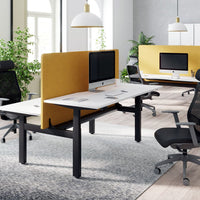
Adopting a standing desk allows employees to alternate between sitting and standing, which significantly reduces the physical discomfort and health risks linked to prolonged sedentary work. By encouraging regular movement, these workstations help improve circulation and promote better postural alignment, effectively alleviating common issues like neck and back strain. Beyond physical health, incorporating a standing desk can boost core muscle engagement and energy levels throughout the day.
While That's My Office provides advanced height-adjustable workstations that facilitate this flexibility, it is important to maintain realistic expectations regarding fitness. Research from the Journal of Physical Activity and Health suggests that standing burns only about 8 extra calories per hour compared to sitting. Therefore, these desks are not a weight-loss tool but a vital intervention for overall well-being and mitigating risks like type 2 diabetes or heart disease.
How can you integrate standing into your daily routine?
Experts recommend transitioning gradually, starting with 30 to 60 minutes of standing per day to avoid leg or foot pain. For the most effective balance, try alternating your position every 30 minutes. Much like the privacy benefits provided by a high-quality office phone booth to reduce cognitive load, a standing desk serves as a deliberate tool to reset your physical state and enhance mental focus. This combination of movement and environmental control helps maintain energy levels and reduces stress throughout the workday.
Office Phone Booth vs Standing Desk: What to Choose First
Deciding between an office phone booth and a standing desk depends on whether you need to fix your internal physical comfort or your external environment. A standing desk primarily addresses physical fatigue and circulation, offering an accessible way to reduce back and neck strain through movement as noted by Harvard Health.
If your workspace is plagued by noise and constant interruptions, an office phone booth is the better starting point. While a standing desk is a more affordable and flexible addition to individual workstations, an office phone booth is a significant investment in creating a dedicated sanctuary for deep focus. Unlike standing desks, which are easy to implement, a pod requires more space and planning.
At That's My Office, we find that the most productive teams often benefit from a hybrid strategy. Integrating a Budget Fast Delivery Office Phone Booth POD alongside height-adjustable desking creates a comprehensive workspace. By choosing both, you address physical health through ergonomic movement while simultaneously shielding staff from the sensory overload common in open-plan offices.
Creating the Hybrid Workspace: Both Privacy and Movement
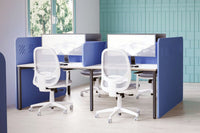
Effective office design hinges on creating an ecosystem that supports varied tasks throughout the day. A balanced environment incorporates open collaborative zones, private spaces for deep work, and dedicated areas that promote healthy movement. By strategically positioning an office phone booth away from high-traffic paths, facilities managers can provide a quiet sanctuary that reduces cognitive load and supports neurodiversity.
How can facilities managers balance the need for open collaboration with the requirement for private workspace?
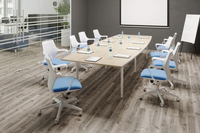
Facilities managers can effectively balance open collaboration with the need for privacy by adopting a zoning strategy that designates specific areas for different work modes. Integrating an office phone booth provides an essential, soundproof sanctuary for confidential calls or deep-focus tasks, ensuring these activities do not disrupt the wider team. Complementing these with a versatile standing desk allows employees to maintain comfort and productivity while switching between collaborative team huddles and individual projects. By utilising modular furniture, managers can create flexible layouts that adapt to changing daily demands rather than relying on permanent partitions. Ultimately, gathering regular employee feedback ensures the office environment remains a productive asset that caters to the diverse needs of the modern workforce.
Movement remains a vital component of this layout. Research published in the Journal of Physical Activity and Health indicates that the primary health advantage of adjustable workstations comes from alternating positions rather than just burning calories. Placing acoustic pods in different zones also motivates staff to walk, acting as a natural prompt for movement. For those needing extended focus, larger pods can house height-adjustable furniture, combining the benefits of privacy with the ability to stand, ensuring that physical health and concentration are managed simultaneously.
Supporting Neurodiversity Through Purposeful Design
Designing a workspace that respects neurodiversity requires more than a one-size-fits-all approach. For employees with autism or ADHD, the sensory barrage of an open-plan office can be a significant barrier to performance. An office phone booth provides a predictable, low-stimulation environment, offering a sanctuary where individuals can control their immediate sensory surroundings to maintain focus.
Beyond noise control, movement plays a critical role in cognitive regulation. Research indicates that increasing standing time can provide a helpful 'brain reset' for individuals with ADHD, aiding in task completion and focus. At That's My Office, we find that pairing a standing desk with quiet zones allows staff to choose the environment that matches their neurological needs at any given moment.
Providing an 'opt-out' zone reduces the constant cognitive load of navigating office distractions. When employers offer a variety of spaces, from fully enclosed acoustic pods to height-adjustable workstations, they signal an appreciation for different working styles. This flexibility is not just about comfort; it is a strategic step toward creating an inclusive, high-performance culture.
Ergonomics Beyond the Chair: Complete Comfort Inside and Out
True office ergonomics addresses both physical alignment and cognitive load. While a standing desk helps manage physical strain, an office phone booth provides the quiet necessary for mental focus. Providing high-quality furniture shows employees their well-being is valued, a factor that reflects employer care.
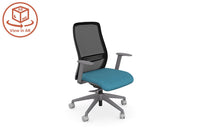
To achieve a healthy setup, place your monitor at eye level and keep your keyboard at elbow height, maintaining a 90-degree angle with your arms. Because staying in one position is detrimental, incorporate movement snacks, such as brief walks or stretching sessions, regardless of your primary furniture. Many premium acoustic pods now include height-adjustable tables and ergonomic chairs, allowing users to customize their posture and environment for maximum comfort during deep work sessions.
Practical Steps for a Smarter Office Layout
Optimizing your floor plan begins with an audit of your team's primary challenges. If your staff frequently reports concentration issues due to constant interruptions, investing in an office phone booth provides an immediate, acoustically private sanctuary. Conversely, if team members express recurring neck, back, or shoulder discomfort, prioritizing a standing desk helps introduce the essential movement necessary to reduce musculoskeletal strain.
When budgets are constrained, start by selecting the solution that addresses your most critical bottleneck. A phased approach is often more effective than an all-at-once overhaul. To ensure high adoption rates, use modular, easily relocatable furniture to test different configurations in high-traffic zones before committing to permanent installations.
Gathering direct feedback from employees is vital to confirm that your chosen furniture actually resolves their daily workflow barriers. Because That's My Office specializes in professional space planning, we recommend utilizing expert CAD layouts and 3D visualisations to map out potential placements. Professional installation services ensure that these upgrades are integrated seamlessly, preventing disruption while maximizing the ergonomic and acoustic performance of your new, smarter workspace.
The Verdict: Both Solutions Work Better Together
True office performance requires addressing both physical well-being and environmental focus. Relying solely on an office phone booth provides acoustic shelter, but does not solve the physical fatigue of sedentary work. Similarly, a standing desk encourages movement but offers no shield against ambient noise.
The most effective workspaces integrate both tools into a single ecosystem. Providing employees with the flexibility to choose a standing desk for daily tasks or a quiet pod for deep work helps them manage their health and cognitive load simultaneously. By investing in a combination of these solutions, businesses create an adaptable environment that supports diverse needs, improves employee retention, and fosters long-term productivity.



0 comments