
Balancing Budgets and Workspace Needs
Creating an efficient, professional workspace requires high-quality office furniture, yet many organisations struggle to reconcile these design ambitions with tight operational budgets. For businesses across the UK, securing the right environment often means navigating the friction between immediate capital constraints and long-term productivity goals.
Flexible finance options provide a practical way to acquire essential office furniture while maintaining essential cash reserves. By spreading costs, companies can bypass large upfront outlays and prioritize spending on items that drive employee wellbeing and output.
This article explores strategies for smarter financial management, including the tax advantages of various leasing structures, the mechanics of asset finance, and how to design for lasting flexibility. With a well-structured spending plan, you can transform your office into a resilient asset that supports your team and your bottom line.
Understanding Flexible Budgets for Your Office
Moving away from rigid, static financial planning is a common priority for modern facilities managers. A static budget relies on fixed, often outdated assumptions set at the start of the year. In contrast, a flexible budget adjusts cost projections based on actual business activity and performance. This agility is vital, as 72% of businesses prioritize budget flexibility to navigate disruption and shifting market demands.
Why is budget flexibility important for office furniture procurement? A flexible budget adjusts with revenue performance, allowing businesses to scale office furniture investments up or down based on cash flow. This strategy ensures that spending on equipment aligns with actual financial performance rather than static forecasts, preventing capital from being unnecessarily tied up when market conditions tighten.
When you use tools like those available at That's My Office, you can better align your physical workspace needs with current revenue. By separating fixed costs from variable expenditures, your team can maintain control over major outlays for ergonomic seating or meeting pods, ensuring that your investment in a productive workspace remains sustainable throughout the business cycle.
Leasing Office Furniture to Preserve Cash Flow
For many organisations, the substantial cost of procuring high-quality office furniture can place unnecessary pressure on short-term cash reserves. By opting for a leasing agreement, businesses can secure the workplace solutions they need without the burden of a large, upfront capital expenditure. Instead, the total investment is spread across regular, manageable installments, allowing companies to retain vital working capital for day-to-day operations like payroll and stock management.
Lease terms typically span between 12 and 60 months, providing a flexible framework that aligns with project lifecycles or building lease durations. A notable benefit of this approach is the ability to upgrade equipment at the end of the term. While competitors may offer rigid purchase-only models, That's My Office supports long-term agility by allowing businesses to transition to newer designs or configurations, ensuring the environment stays modern and functional without additional spikes in spending.
Beyond cash flow preservation, leasing offers distinct financial advantages for UK-based entities. Rental payments are generally classified as operating expenses and can be 100% tax-deductible against taxable profit. Furthermore, because VAT is paid periodically on monthly installments rather than on the full asset value at the start, the impact on immediate liquidity is significantly reduced. This approach helps decision-makers maintain financial control while investing in the ergonomic and collaborative furniture necessary for a productive workspace.
Hire Purchase vs. Finance Lease: Key Differences
Selecting the right financing structure for your office furniture depends largely on your goals for asset ownership and cash flow management. Understanding these pathways helps businesses across the UK make informed choices when investing in new workspace interiors.
Hire Purchase. This agreement allows a business to pay for office furniture in fixed monthly installments. Upon the final payment, the business gains full ownership of the assets. This structure is ideal for organizations viewing their furniture as a long-term capital investment.Finance Lease. A finance lease provides the right to use furniture for a set term without transferring legal ownership. This option often includes flexible end-of-term choices, such as returning the items or upgrading to newer models, which helps maintain a modern, agile workspace without the long-term commitment of owning the equipment.
Both methods serve as forms of asset finance, which is designed to preserve your operational cash flow. Because the office furniture itself acts as security for the agreement, lenders rarely require additional collateral. This makes both hire purchase and finance lease arrangements accessible alternatives to traditional bank loans for growing businesses.
Tax Advantages of Financing Office Furniture

For many UK organisations, the financial structure of an office furniture investment is just as important as the design itself. Choosing to finance these assets often unlocks valuable fiscal incentives that outright purchasing may not offer, allowing your business to manage overheads while maintaining a high-quality environment.
What tax benefits come with leasing or financing office furniture?
Leasing office furniture provides distinct tax efficiencies. Rental payments are generally considered operating expenses and are typically fully tax-deductible against taxable profits, effectively reducing your corporation tax liability. This allows you to improve your workspace without the burden of large, one-off capital expenditures.
When you opt for a hire purchase agreement, the tax treatment shifts. In these scenarios, you can often claim capital allowances, such as the Annual Investment Allowance (AIA) or Full Expensing, allowing you to deduct the cost from taxable profits as if you owned the equipment from the start. Per HMRC guidelines, these mechanisms help you align your tax planning with your long-term growth strategy.
Cash flow management is further supported by how VAT is handled. With many operating leases, you pay VAT on each individual installment rather than settling the entire amount upfront. This spreads the tax burden over the duration of the term, keeping your working capital available for other critical financial priorities.
Building a Refurbishment Budget That Works
Developing a reliable budget for your office refurbishment requires careful planning and a realistic approach to potential variables. Expert guidance suggests establishing a contingency buffer of 10% to 20% of the total project value to address unexpected expenses, such as structural repairs or sudden regulatory changes.
To ensure your spending remains aligned with your original goals, obtain multiple quotes from various contractors and furniture suppliers. Tracking all expenditures through dedicated software or detailed spreadsheets is essential for maintaining control over the project. For businesses looking to optimize their office furniture investment, That's My Office provides specialized support, including space planning and CAD layouts, to help avoid costly errors during the design phase.
If managing the entire cost at once feels overwhelming, a phased approach can be highly effective. By prioritizing high-impact zones, such as reception areas or collaborative meeting spaces, you can improve employee experience while spreading costs over time. Leveraging asset finance for your new office furniture allows you to preserve your working capital for day-to-day operations, as documented by the British Business Bank.
Design for Flexibility: Modular and Multi-Purpose Furniture
Selecting versatile office furniture is a strategic way to ensure your workspace remains functional as team sizes and work patterns evolve. Instead of rigid, fixed installations, investing in modular systems allows you to reconfigure your layout quickly without the need for expensive structural changes.
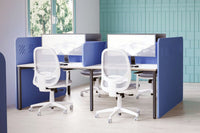
Open-plan layouts combined with hot-desking strategies help organisations reduce per-person costs by maximising the use of available square footage. When you implement these solutions, such as the high-quality height adjustable desks offered by That's My Office, you gain the agility to support hybrid working while lowering your total footprint.
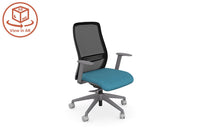
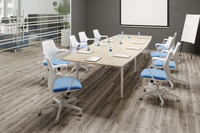
Multi-purpose furniture provides additional efficiency for growing teams. By choosing pieces like chairs equipped with wheels and tablet arms, a single room can seamlessly transition from a collaborative huddle space to a formal training room or an event venue. That's My Office assists facilities managers with professional space planning and CAD layouts to ensure these flexible pieces are positioned for optimal productivity.
- Modular furniture adapts to changing headcount and department needs.
- Hot-desking configurations reduce the need for individual workstation density.
- Multi-functional pieces transform meeting rooms into versatile event spaces.
Acoustic Solutions for Productive Open-Plan Spaces
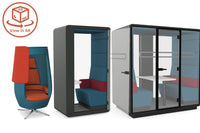
How do acoustic solutions improve productivity in open-plan offices? Maintaining focus in a modern, shared workspace can be a challenge, as ambient noise often disrupts critical tasks. We offer a variety of acoustic pods and phone booths designed to provide immediate quiet zones for private calls and concentrated work without the need for intrusive, permanent construction.
In addition to modular pods, strategically placed acoustic wall panels are highly effective at absorbing unwanted echo and reverberation caused by hard surfaces like glass and concrete. By mitigating this background din, these solutions create a calmer environment that directly supports the needs of hybrid teams moving between collaboration and deep work.
Unlike traditional partitioning that requires expensive labor and building permits, these acoustic products offer flexibility. They can be easily repositioned as your team layout evolves, ensuring your office furniture investment remains functional and aligned with changing business requirements over time.
Choosing the Right Supplier: Services That Add Value
Selecting a high-quality office furniture partner involves more than simply sourcing desks or chairs. A truly comprehensive supplier provides an end-to-end experience that includes expert space planning, precise CAD layouts, and professional installation services to ensure your project stays on schedule and within budget.
What services should a comprehensive office furniture supplier provide?
Beyond product delivery, look for providers that utilize advanced digital tools to mitigate risk. Features like Augmented Reality (AR) visualizations and downloadable 3D models allow you to preview exactly how new pieces will occupy your workspace, which helps prevent costly layout errors before ordering. That's My Office distinguishes its service by combining these technical planning tools with practical support such as packaging removal, furniture recycling, and expert office refurbishment advice.
Expert consultation is vital for balancing aesthetic design goals with strict financial constraints. While some vendors offer only basic catalog sales, partners like That's My Office work directly with procurement teams to identify cost-effective alternatives that do not compromise on ergonomic quality or workplace functionality.
Making the Final Decision: Buy, Lease or Finance?
Selecting the most effective way to procure office furniture requires balancing immediate financial constraints with long-term strategic goals. Outright purchasing provides full ownership from day one, which eliminates interest charges, yet it consumes significant capital that might be better used elsewhere. Conversely, leasing allows businesses to preserve working capital for daily operations while gaining access to high-quality workplace assets through predictable monthly payments. Per British Business Bank data, these financial arrangements often allow for easier equipment upgrades, keeping your environment modern and professional without requiring a large, one-time cash outlay.
How should a business decide between buying, leasing, or financing office furniture?
The choice often hinges on your specific tax position, frequency of planned workspace changes, and current cash flow requirements. If you intend to own the office furniture permanently and have surplus liquidity, purchasing may be the most cost-effective route. However, many UK firms find that flexible finance options provide a better balance between cost and functionality. Because lease rental payments are often treated as tax-deductible operating expenses, this method can significantly improve your company's fiscal efficiency while ensuring staff have access to ergonomic seating and modern desk systems.
Before committing to a specific agreement, it is highly recommended to speak with a finance broker or a specialist. These experts can help you compare various asset finance structures and align your investment with HMRC tax guidelines. By engaging with professionals who understand both office design and fiscal planning, you can avoid common pitfalls and ensure your selection remains sustainable during periods of shifting financial health. Proper planning, as noted in resources for financial management, allows you to maintain growth even when budgets appear tight.
Take Control of Your Office Budget Today
By selecting flexible finance options, your business can access high-quality office furniture without the burden of large upfront costs. Whether you choose asset finance or explore tax advantages through leasing, you can preserve cash flow while upgrading your space.
Carefully assess your operational requirements before deciding on a financial structure. That's My Office provides an extensive range of furniture and design services to help you make an informed decision for your workspace.



0 comments