
The Evolution of the Modern Workspace
The workplace is shifting away from static environments toward dynamic, motion-focused designs. As UK businesses increasingly prioritize ergonomic wellbeing to boost productivity, the height adjustable desk has become a primary fixture for facilities managers. Unlike a traditional, single-position standing desk that keeps users locked into one posture, a modern sit-stand workstation offers the flexibility to alternate positions throughout the day.
This transition is driven by a need to mitigate the risks of prolonged sedentary behavior, which is linked to musculoskeletal pain and metabolic issues. Research shows that alternating between sitting and standing can help improve energy levels and focus. By integrating adaptable furniture, organisations can provide staff with the autonomy to manage their physical comfort, a strategy that supports both long-term health and operational performance in the contemporary hybrid office.
Understanding the Core Benefits of Height Adjustable Desks
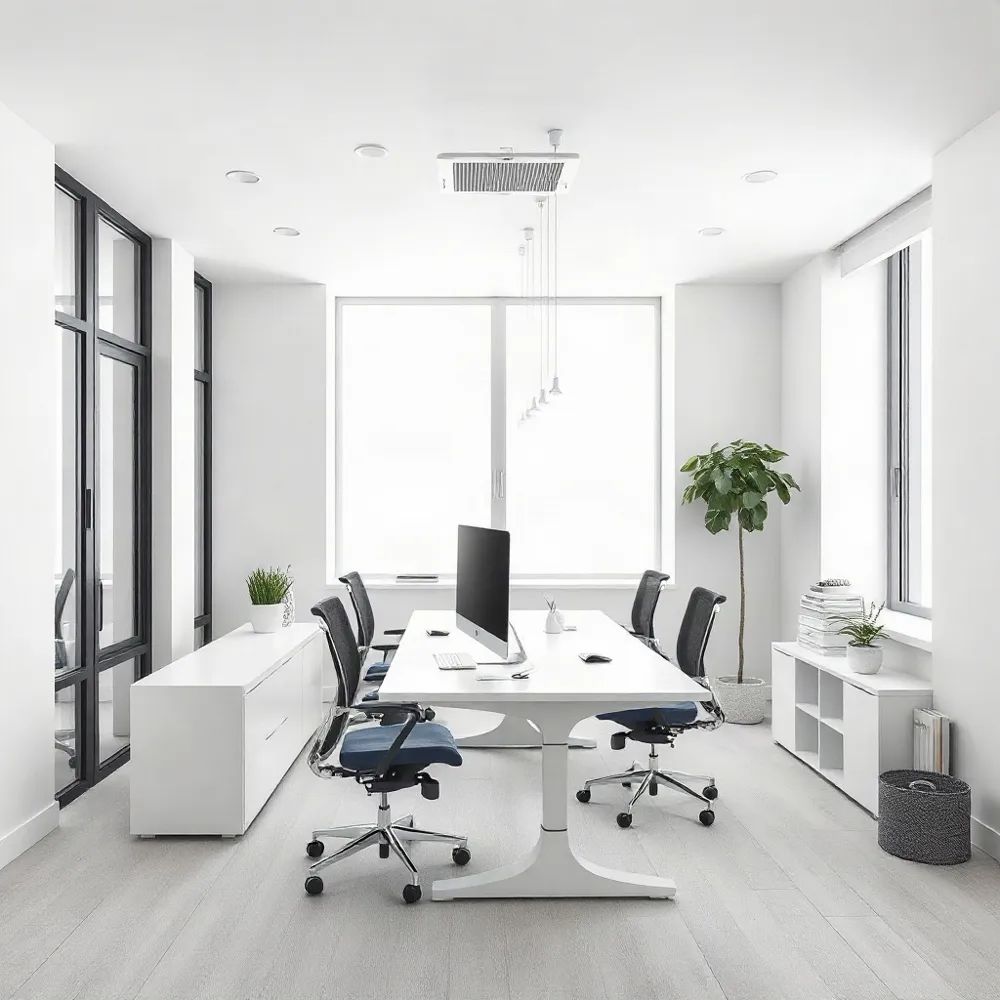
What are the primary benefits of incorporating a height adjustable desk into a modern office? Incorporating a height adjustable desk into your workplace empowers employees to fluidly switch between sitting and standing, which is essential for reducing the physical strain associated with a sedentary routine. By enabling users to tailor their workstation to their specific height and frame, these desks help improve posture, alleviate common neck and back pain, and support better spinal alignment The truth behind standing desks.
Beyond physical comfort, frequent movement throughout the day can significantly boost circulation and energy levels, which many teams find helps sustain focus and productivity. While traditional fixed desks often lock workers into one position, a standing desk from That's My Office provides the necessary flexibility to break up long periods of inactivity. This is particularly important because prolonged sedentary behavior is closely linked to metabolic concerns, including blood sugar spikes and cardiovascular health risks.
Introducing such furniture as part of your office layout demonstrates a proactive commitment to long-term employee health and wellbeing. At thatsmyoffice.co.uk, we focus on supplying solutions that improve autonomy and reduce the absenteeism often caused by musculoskeletal issues. Ultimately, this flexible approach allows businesses to create more dynamic, comfortable, and supportive environments that help staff stay alert and engaged throughout the work day.
Key Engineering and Quality Indicators for Facilities Managers

When evaluating a height adjustable desk for bulk procurement, facilities managers should prioritize structural integrity by assessing frame engineering. Robust designs featuring solid cross-supports and heavy-duty foot plates are essential to ensure the workstation remains steady even when extended to its maximum height. That's My Office sit-stand desks feature reinforced steel frames, providing the necessary rigidity to prevent wobbling.
How should facilities managers evaluate the quality of a standing desk before making a bulk purchase? Motor performance is a defining indicator of long-term reliability. A high-quality standing desk must operate with smooth, near-silent transitions to avoid disrupting the office environment. Managers should scrutinize technical specifications such as lift capacity to confirm the desk can comfortably support multiple monitors and heavy peripherals without strain. That's My Office desks incorporate dual-motor systems and quiet mechanics for reliable, low-noise operation.
Ensuring Workspace Safety and Longevity
Safety and cable management are often overlooked during the initial selection phase but remain critical for maintaining a compliant workplace. Advanced features like anti-collision sensors, which stop movement upon detecting an obstruction, provide necessary protection in high-traffic or compact areas. Additionally, integrated cable management systems provided by professional suppliers help maintain a clean aesthetic while protecting sensitive equipment from accidental damage.
- Anti-collision sensors: Automatically halts desk movement to prevent damage or injury if an obstacle is detected.
- Weight capacity: Ensure the frame is rated to hold all intended technology, including dual-monitor arms and heavy desktop units.
- Child locks: A necessary addition for home-office setups or public-facing areas where unauthorized access might occur.
- Memory presets: Digital touchpads that allow users to store their preferred heights for rapid, consistent transitions.
Strategic Integration and Office Layout Planning
Integrating a height adjustable desk into your current office layout is best achieved through a phased approach that prioritises both flexibility and employee comfort. Rather than pursuing a disruptive complete office redesign, many facilities managers find success by creating dedicated active zones. By clustering these desks in specific areas, you allow teams to incorporate movement into their daily workflow without impacting the concentration of colleagues who may be engaged in static tasks.
Optimising Floor Space and Infrastructure
When transitioning to more dynamic furniture, consider replacing legacy static stations with modular bench desking systems that offer integrated sit-stand functionality. This approach ensures a seamless aesthetic across the office floor while providing the physical benefits noted in research, such as reduced musculoskeletal discomfort. At That's My Office, we often assist teams in balancing these configurations to maintain optimal traffic flow, ensuring that even with the added width of modern frames, aisles remain clear and accessible.
Managing vertical movement requires meticulous attention to infrastructure. Because a standing desk relies on continuous power and connectivity, robust cable management strategies are critical. Unlike traditional desks where cables remain static, height-adjustable furniture demands flexible umbilical systems or deep cable trays that prevent snagging during height adjustments. Investing in professional installation services ensures that these systems are calibrated correctly from day one, protecting your equipment and maintaining a clean, professional appearance throughout the workspace.
Ergonomic Best Practices for Employee Success
Achieving an effective ergonomic setup is essential for maximizing the benefits of a height adjustable desk. Whether working in a seated or standing position, experts emphasize the 90-degree elbow rule. Your forearms should rest parallel to the floor, with elbows maintained at a 90-degree angle to keep wrists in a neutral position, as noted by Harvard Health. This alignment prevents unnecessary strain on the shoulders and upper back.
Correct monitor positioning is equally important to mitigate the risk of chronic neck strain. The top of your screen should be set at eye level, approximately an arm’s length away, to ensure the neck remains in a neutral, relaxed position. For those transitioning to a standing desk, incorporating a monitor arm can provide the precision needed to maintain this height during both sitting and standing intervals.
Prolonged standing, much like sitting, requires deliberate physical support to avoid fatigue. Employers should encourage the use of anti-fatigue mats, which provide essential cushioning to reduce pressure on the feet, ankles, and knees. Additionally, wearing supportive footwear is a simple but impactful change for any employee using an adjustable workstation. By combining these ergonomic adjustments with a regular routine of switching postures, staff can maintain high energy levels and reduce the discomfort often associated with static office environments.
Choosing Between Electric, Manual, and Desktop Converters
Selecting the right mechanism for your height adjustable desk depends on how frequently you intend to switch positions and the needs of your specific office environment. Electric models are the gold standard for versatility, as they use quiet motors to facilitate rapid, effortless height changes at the touch of a button. For facilities managers overseeing dynamic spaces, That's My Office provides electric solutions often equipped with digital memory presets, making them ideal for shared workstations where multiple users must quickly calibrate settings to their preferred height. Unlike manual crank systems which require physical effort, electric versions ensure that the convenience of an adjustable workstation never hinders the daily workflow.
For organisations prioritising cost-effectiveness, manual alternatives such as hand-crank and gas-lift desks remain common. Crank-operated systems are highly reliable and budget-friendly, though they are less efficient in environments where team members need to transition between tasks throughout the day. Alternatively, gas-lift mechanisms provide a smoother, mid-range experience, using spring-assisted tension to raise or lower the surface with minimal force. These options offer a durable, mechanical solution for individual users who maintain a stable, assigned desk and do not require the high-frequency adjustments typical of hot-desking.
When a full replacement of existing furniture is not feasible, a desktop converter acts as a low-risk alternative. These units sit directly on top of traditional, fixed-height tables, instantly granting users the ability to stand without the capital expenditure of a full desk upgrade. While converters lack the aesthetic seamlessness of integrated furniture, they serve as an effective pilot tool for businesses exploring the benefits of a standing desk. As with any ergonomic intervention, ensuring the unit is properly positioned to keep monitors at eye level and arms at a neutral angle remains vital for preventing long-term strain.
Establishing a Sustainable Sit-Stand Routine
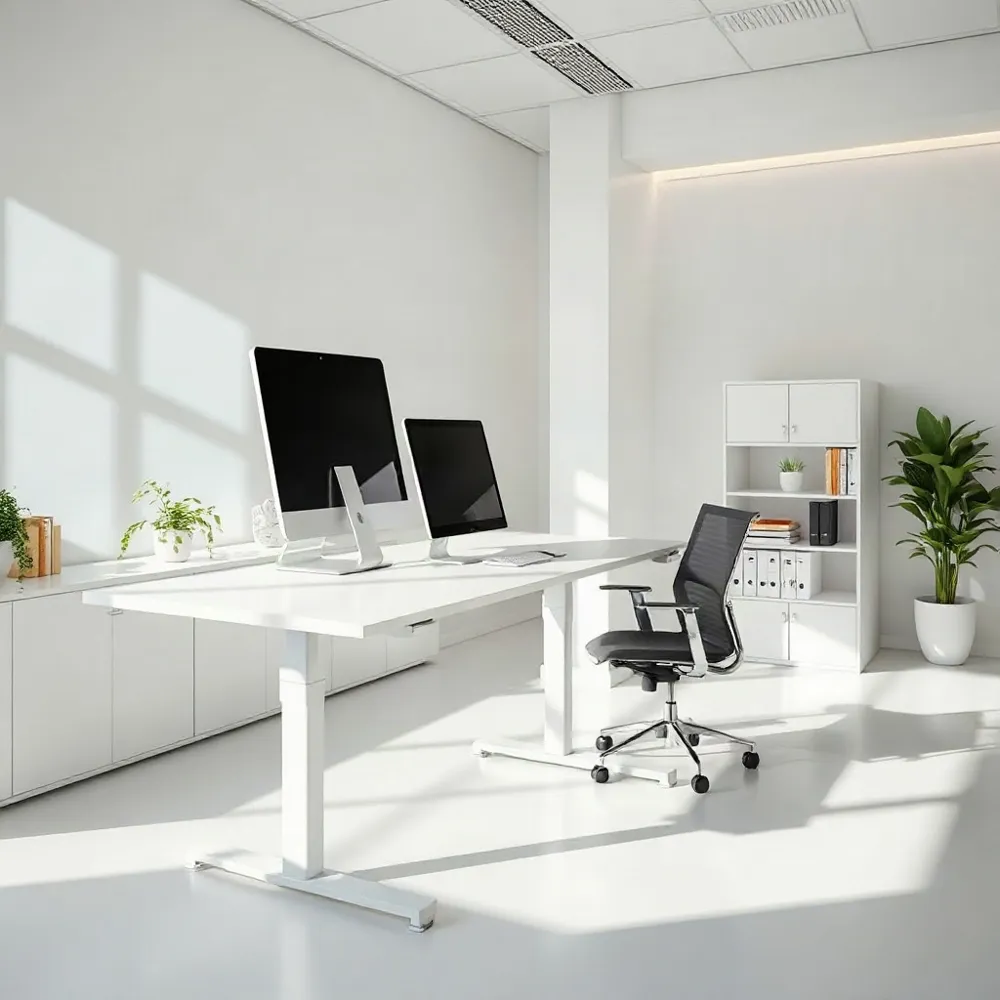
The primary benefit of a height adjustable desk lies in movement rather than static standing. Research suggests that users should alternate between sitting and standing every 30 to 60 minutes to optimize circulation and prevent strain on muscles and joints. According to Harvard Health, finding the right rhythm is essential, as prolonged standing can cause as much discomfort as excessive sitting if not managed with intentional transitions.
Facilities managers can support healthy workplace habits by encouraging employees to listen to their bodies. While That's My Office provides workstations with height memory settings and built-in timers to facilitate these shifts, consistency remains the most critical factor. Start by easing into a routine with 15-minute intervals before working up to longer periods to ensure long-term comfort.
- Rotate between sitting and standing every 30 to 60 minutes to maintain blood flow.
- Use anti-fatigue mats and supportive footwear to reduce pressure on feet and knees during standing intervals.
- Program height adjustable desk presets to quickly return to your ideal height for comfort.
- Incorporate regular walking breaks, as standing is not a direct substitute for active movement.
Investing in Long-Term Workplace Wellness
Adopting a height adjustable desk represents more than a furniture upgrade. It is a strategic commitment to employee health. By facilitating regular movement, these workstations help mitigate the musculoskeletal issues that cause significant absenteeism. Research indicates that 87% of workers felt more energised after incorporating standing intervals into their day, directly linking dynamic work environments to improved morale and productivity.
For facilities managers, the long-term ROI is clear. Companies that proactively address the health risks of prolonged sedentary behaviour often see lower rates of workplace injury and chronic pain. While some vendors offer basic fixed solutions, That's My Office specialises in tailored height adjustable desk solutions that integrate seamlessly into modern UK workspaces, ensuring your investment supports both staff retention and operational comfort.
If you are ready to transition your team, consider launching a pilot programme to test different configurations. Start with a small, representative group to evaluate how specific standing desk models perform under real-world conditions. This approach minimises risk while providing data to guide larger procurement decisions. For expert advice on space planning, 3D visualisations, or selecting the right equipment for your needs, reach out to the team at That's My Office to start optimising your office environment today.



0 comments