
Understanding the Vital Role of Ergonomic Movement
Prolonged sitting is linked to significant health concerns, including obesity, high blood pressure, and cardiovascular disease. Data suggests that desk-based workers in the UK often spend 70% of their day anchored to a chair, a pattern that increases spinal pressure by up to 90% compared to standing. These sedentary habits contribute to chronic musculoskeletal issues, making the need for regular movement more than a preference for modern office teams.
The most effective health strategy is not choosing between a chair or a fixed platform, but the consistent variation of posture. Medical research shows that staying in any single position, whether seated or standing, can lead to fatigue and physical strain. A sit-stand workstation allows users to alternate positions regularly, which helps maintain circulation and reduces low-back discomfort significantly.
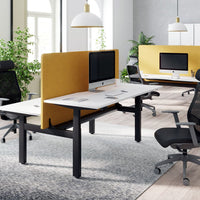
A height adjustable desk serves as the primary tool for introducing this necessary flexibility. Unlike static options, these desks empower employees to customize their workspace throughout the day. That's My Office provides these solutions to help businesses break the cycle of prolonged sedentary behavior, ensuring staff remain dynamic and comfortable while meeting their professional goals.
The Practical Benefits of Height Adjustable Workspaces
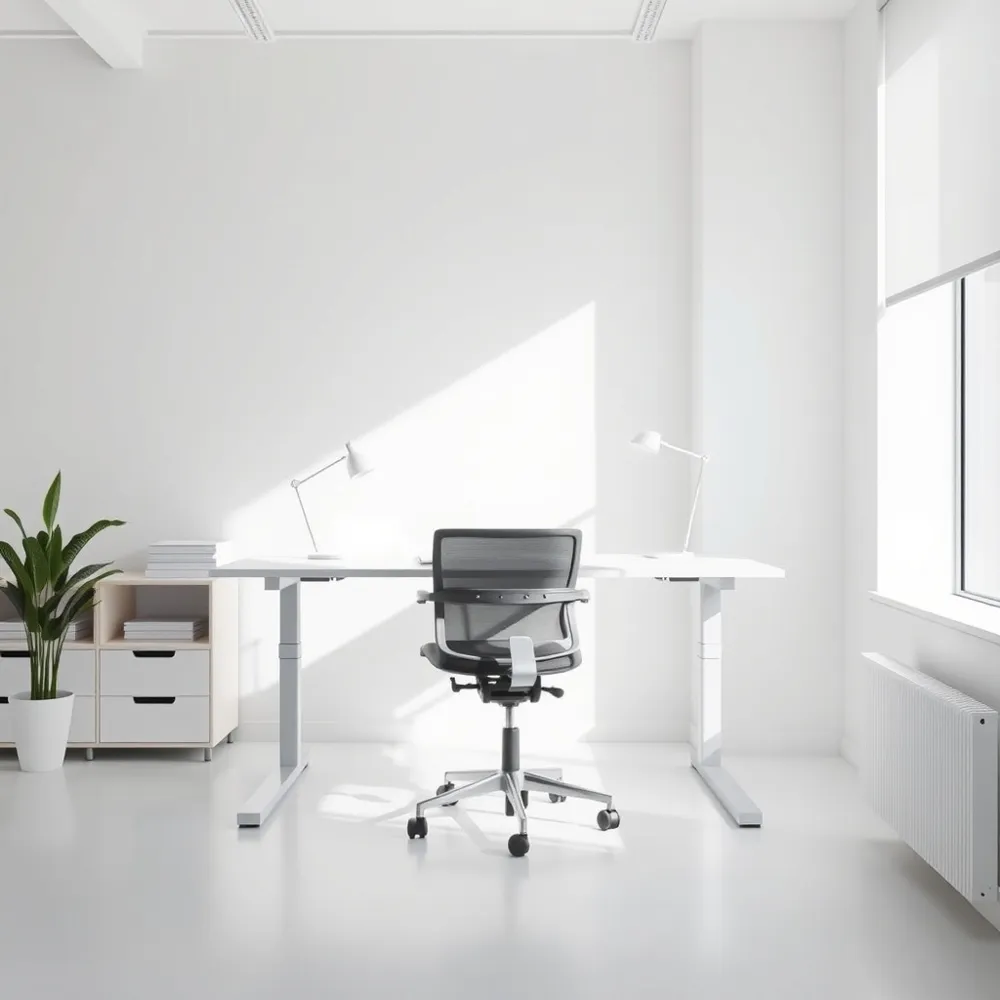
Incorporating a height adjustable desk into the modern office provides a vital solution to the risks of prolonged sedentary behaviour, helping to mitigate common musculoskeletal issues like back, shoulder, and neck pain. By allowing employees to seamlessly transition between sitting and standing, these workstations promote better posture, improved circulation, and increased core engagement throughout the day. Beyond physical comfort, a standing desk is proven to boost energy levels and mood, which directly contributes to a more dynamic and productive working environment.
Mitigating Spinal and Metabolic Strain
Prolonged sitting places significant pressure on lumbar discs, with some research indicating that spinal pressure can increase by 40 to 90 percent while seated compared to standing per UCLA Health data. By contrast, utilizing a sit-stand workstation encourages natural movement that engages core and leg muscles, helping to prevent the physical stiffness often associated with desk-bound roles. When muscles are active, they facilitate better blood flow, reducing the risk of pooling in the lower extremities—a common concern for office-based staff.
These ergonomic improvements extend to metabolic health. Research has shown that alternating between postures helps the body regulate blood sugar levels more efficiently after meals, compared to remaining in a static seated position for several hours. That's My Office specialises in providing these solutions to UK businesses, offering durable designs that lift heavier loads and include memory settings for effortless transitions. For facilities managers, choosing a high-quality standing desk is a strategic move that aligns with modern wellness trends, effectively reducing the sedentary burden on teams while fostering a workspace that values long-term physical health.
Connecting Employee Wellness to Office Productivity
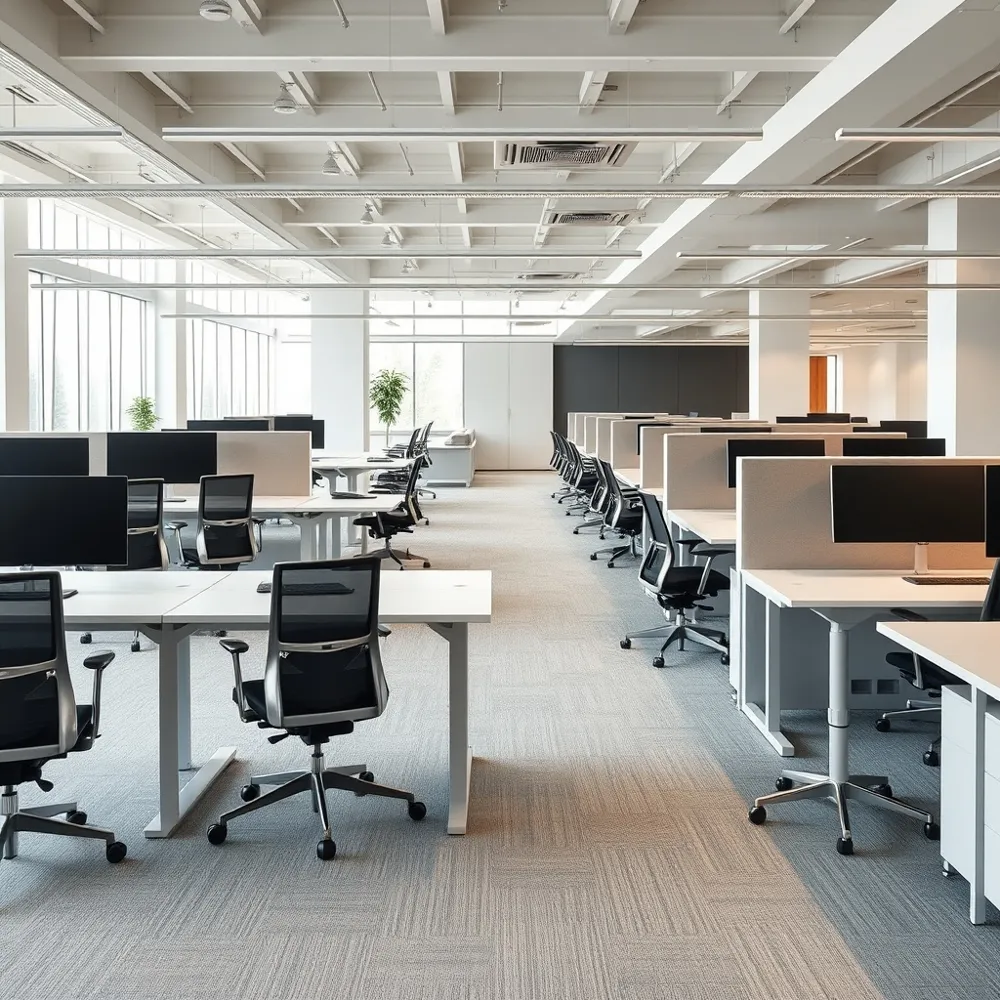
Incorporating a height adjustable desk into your workplace design empowers employees to move naturally throughout the day, helping to reduce the physical discomfort and fatigue often caused by static, prolonged sitting. By providing the flexibility to switch between sitting and standing, a standing desk encourages better posture and physical engagement, directly supporting long-term musculoskeletal health. Research indicates that such interventions, when paired with clear guidance, can lead to a significant reduction in low-back pain, helping staff maintain focus and sustained energy during complex tasks.
The psychological impact of a dynamic workspace is equally profound. Many users report increased energy levels when they have the autonomy to adjust their own environment, with one clinical study noting that 87% of participants experienced higher engagement throughout the day. While some tasks requiring fine motor skills are best performed while seated, the ability to alternate positions prevents the physical 'brain fog' that often accompanies hours of motionless, sedentary work. Frequent posture changes promote better blood flow and oxygen delivery to the brain, which helps sharpen concentration.
Creating a people-first agile environment requires more than just hardware; it requires a commitment to flexible design. While off-the-shelf solutions exist, That's My Office specializes in tailoring these workstations to specific office layouts, ensuring every team member has the tools they need to stay comfortable. Unlike static furniture that restricts movement, their height adjustable desks empower businesses to optimize performance by supporting the diverse physical needs of a modern workforce. This adaptive approach ensures that facilities remain highly functional while demonstrating a clear investment in the long-term well-being of every employee.
Essential Guidance for Proper Desk Ergonomics
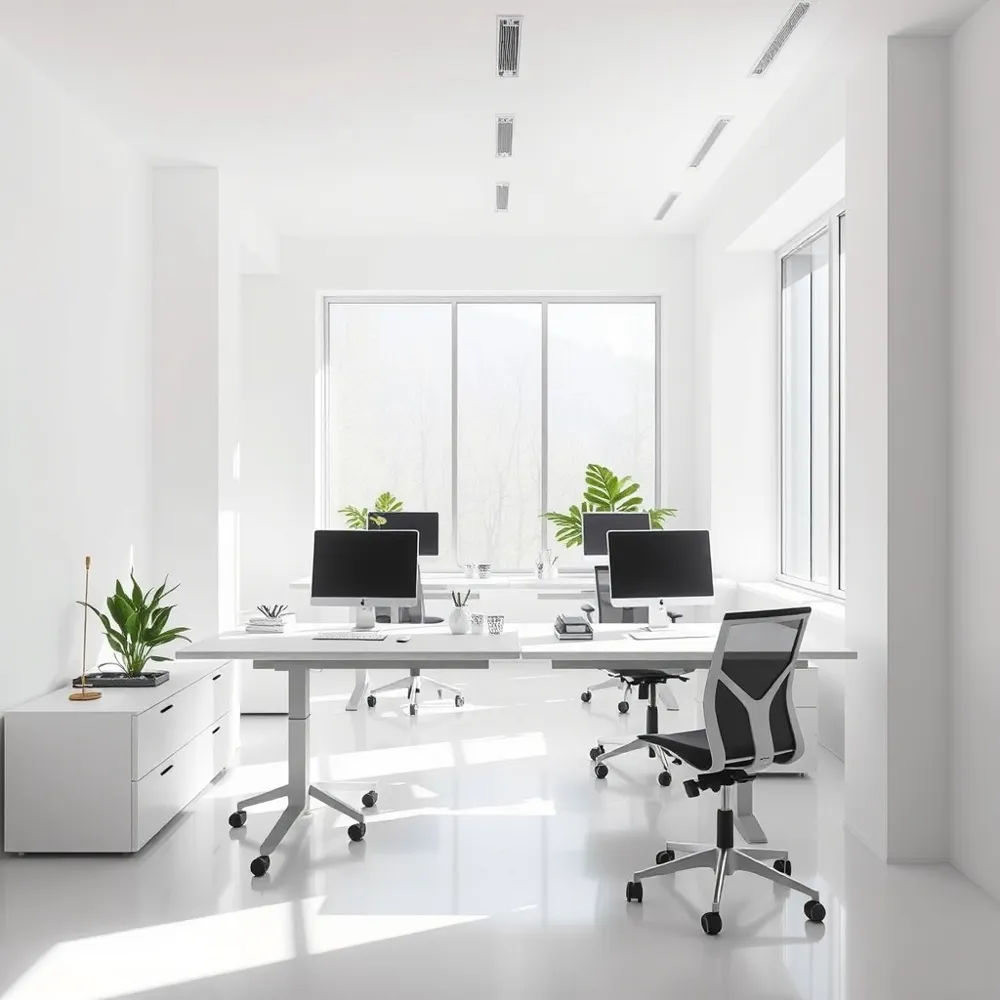
Correct body alignment is critical when you introduce a height adjustable desk into your office. To prevent muscle tension, ensure your elbows are positioned at a 90-degree angle whether you are sitting or standing, as noted by UCLA Health. Furthermore, keep your computer monitor at or slightly below eye level to minimize neck strain and maintain a neutral spinal position, a practice supported by UT Southwestern Medical Center.
Using a standing desk effectively requires more than just changing your height settings. Incorporating an anti-fatigue mat is essential, as these surfaces encourage subtle micro-movements, such as shifting your weight, which helps alleviate lower body strain and keeps circulation active. Relying on such tools helps you avoid the common pitfalls of static standing, which can be just as taxing as prolonged sitting if you remain perfectly still.
Movement remains the most effective antidote to sedentary desk work. Instead of aiming for extended hours in one position, focus on regular, short transitions. Research published in PubMed underscores that alternating posture throughout the day is the primary benefit of adjustable furniture. Start with short, 30-minute intervals to allow your body to adapt naturally, and remember that Harvard Health Publishing suggests easing into this routine to avoid discomfort. Consistent, incremental changes to your daily movement rhythm will yield the best long-term results for your staff.
Strategic Selection for Facilities Managers
Selecting the right height adjustable desk for your workplace requires balancing durability with ease of use. At That's My Office, we focus on high-quality engineering that ensures smooth, quiet transitions for a professional environment. Unlike cheaper alternatives that may become noisy or unreliable, choosing a workspace solution with a robust warranty provides facilities managers with long-term peace of mind.
- Prioritize motorized systems that offer quiet operation to prevent noise disruption in open-plan offices.
- Select units with programmable memory presets to allow employees to switch between sitting and standing heights with a single touch, a feature proven to encourage consistent movement per PubMed research.
- Verify lift capacity to ensure the desk can support additional hardware like multi-monitor arms or heavy peripherals without compromising stability.
Cable management is a primary but often overlooked factor in maintaining a clutter-free office. Our solutions incorporate integrated cable management systems, ensuring that power and data lines remain tidy regardless of desk height. When evaluating technical needs, assess the adjustability range of the desk; accommodating the varying physical proportions of a diverse workforce is vital for true ergonomic compliance. For facilities managers focused on longevity, investing in equipment backed by professional installation services ensures that setups are calibrated correctly for immediate user safety and comfort.
Planning Your Layout and Spatial Integration
To determine if a height adjustable desk is the right fit, start by measuring your available floor space and identifying the proximity of power outlets to ensure your sit-stand workstation can be easily connected. It is advisable to account for the clearance required for the desk’s range of motion, as well as the footprint of other office equipment to maintain clear traffic flow.
How can I assess if a height adjustable desk will fit my office layout?
Modern digital tools have transformed the planning process. You can explore potential furniture choices using 3D modelling and AR visualisation on thatsmyoffice.co.uk to overlay products directly into your real-world workspace. This provides a clear preview of how a specific standing desk integrates with your current office aesthetic before you commit to an order.
Beyond mere dimensions, consider cable management capacity to ensure smooth operation without obstruction when the desk moves vertically. Our expert team at That's My Office is on hand to assist with detailed CAD layouts and professional space planning to guarantee your new furniture meets your exact requirements. By combining these digital insights with precise on-site measurements, you can confidently invest in equipment that enhances both your office layout and employee comfort.
Professional Installation for a Seamless Transition
Correct installation is crucial when integrating a new height adjustable desk or standing desk into your office. Beyond the physical effort of handling heavy components, improper assembly can compromise the stability of the equipment or lead to inefficient cable management. Professional support ensures your investment remains durable and safe for daily use.
Does That's My Office provide support for installing new sit-stand workstations?
Yes, That's My Office provides comprehensive professional installation and assembly services for every product we supply. Our expert team manages the entire process, from delivering your furniture to your specific workstation to ensuring it is correctly positioned and ready for immediate use. We handle detailed cable management to keep your office organised and remove all packaging, ensuring a clean and hassle-free transition.
By managing the heavy lifting and precise setup, we help your business avoid the risks associated with self-assembly and minimise any potential disruption. Expert installation guarantees that your height adjustable desk meets all necessary safety and ergonomic standards from the moment it is commissioned. If you are looking to upgrade your environment, you can rely on our team for a seamless and efficient installation experience that allows your staff to focus on their work rather than the assembly process.
Building a Healthier Future for Your Team
True workplace wellness relies on a balanced approach that rejects the limitations of a single, static posture. By integrating a height adjustable desk into your office, you empower employees to fluidly transition between sitting, standing, and active movement. As noted in research found on PubMed, these regular adjustments are vital for mitigating musculoskeletal discomfort and maintaining long-term spinal health.
Sustainability in office design requires consistent ergonomic habits rather than a quick fix. Successfully implementing a standing desk involves more than the furniture itself; it requires a commitment to a routine that includes walking breaks and deliberate posture changes. That's My Office supports this transition by offering professional guidance and space planning to ensure your team moves safely and effectively throughout the day.
Prioritising dynamic environments fosters a team that is not only more comfortable but more engaged. While standing is not a universal cure for every physical concern, Harvard Health confirms that alternating positions is a meaningful intervention for many office professionals. By choosing flexible, ergonomic furniture solutions, you invest in the lasting vitality and productivity of your staff.



0 comments