
Why Augmented Reality Is Reshaping Office Furniture Procurement
Augmented reality is fundamentally changing how businesses approach office procurement by removing the guesswork from spatial planning. Instead of relying on static 2D images, facility managers can use interactive augmented reality tools to project 3D models directly into their physical office space. This ensures that every desk, meeting table, or modular booth fits perfectly within the room's actual dimensions.
By visualizing furniture in situ before a purchase is finalized, teams can verify that their chosen layout supports natural movement flows and daily functionality. This 'try before you buy' approach significantly reduces the risk of costly returns and buyer's remorse that often plague large-scale installations.
This technology aligns seamlessly with the end-to-end service model offered by Thats My Office, where comprehensive design, delivery, and professional installation are standard. By integrating these visual checks early in the procurement phase, offices can confidently transition from conceptual layouts to successful, finished workspaces without post-installation surprises.
How AR Transforms Real-Time Visualisation of Furniture
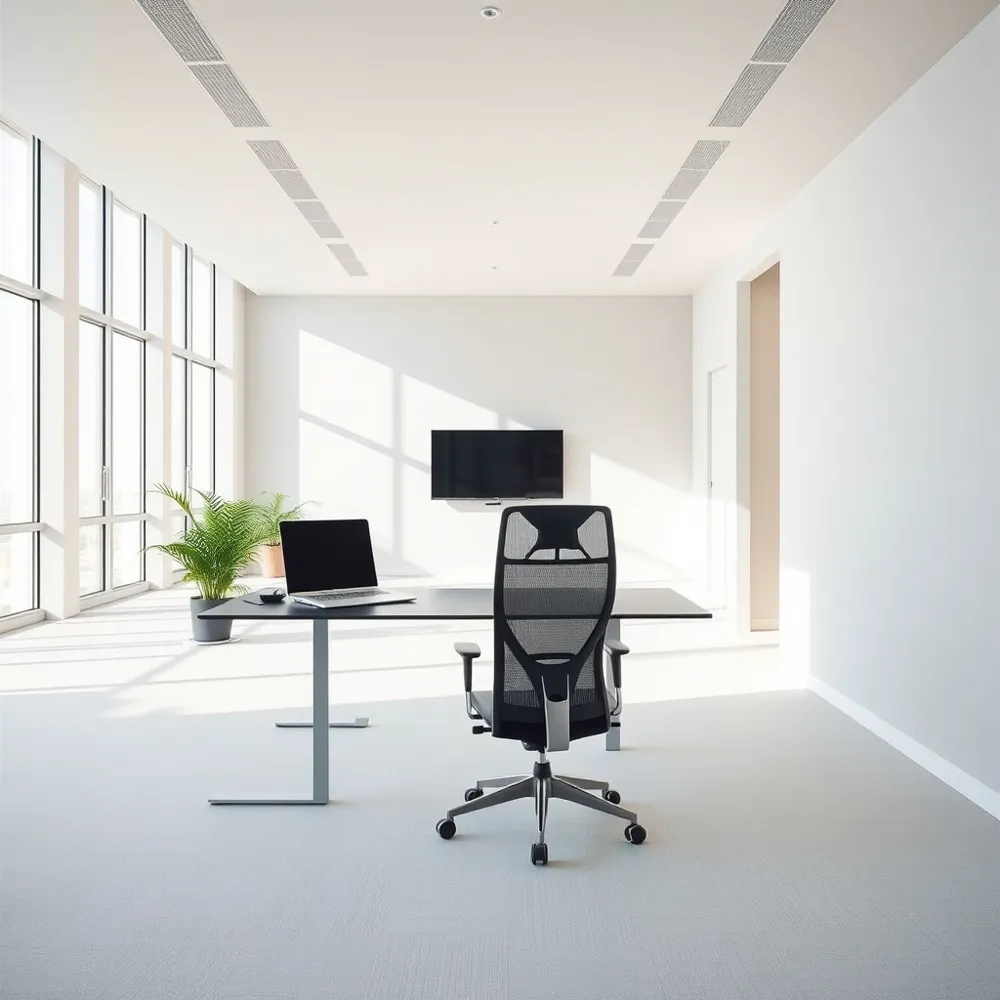
Augmented reality (AR) technology provides a sophisticated digital layer to spatial planning, leveraging industry-standard frameworks like ARKit for iOS and ARCore for Android. This wide device compatibility ensures that facility managers can access immersive tools directly from their smartphones or tablets without needing expensive or specialized hardware. By using the device camera to scan a physical office environment, these tools build a precise 3D model that serves as a canvas for proposed furniture layouts.
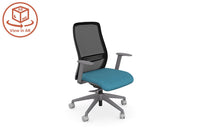
The platform automatically handles proportional scaling and placement, ensuring that an office chair, desk, or modular booth appears in the room exactly as it would in reality. This prevents common procurement errors where furniture dimensions do not match the intended spatial constraints. Once placed, users can rotate and inspect models from multiple angles, allowing them to verify finishes, textures, and comfort levels within the context of augmented reality.
How can augmented reality (AR) technology improve the office furniture procurement process?
Augmented reality transforms the procurement process by allowing facility managers to overlay high-fidelity 3D models of furniture directly into their actual workspace. This technology enables stakeholders to accurately assess scale, aesthetics, and spatial flow in real-time, effectively eliminating the risk of purchasing items that fail to function within the intended environment. By visualizing potential layouts before commitment, teams can make confident, data-backed decisions that prevent costly installation delays or unsuitable selections. This innovative approach integrates seamlessly into a broader design, deliver, and install strategy, ensuring that every piece of furniture is a perfect fit for its environment. Ultimately, AR fosters a more efficient and error-free procurement journey, saving both time and resources for businesses and schools alike.
Testing Fit and Function Before You Commit
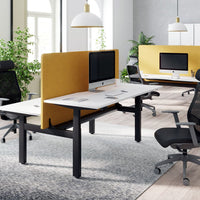
Using augmented reality to verify layout alignment ensures that furniture dimensions, clearance, and walkway flow meet the daily operational needs of your office. By placing life-scale 3D models into your actual space, you can confirm whether desks, seating, or modular booths obstruct high-traffic routes before equipment arrives for installation.
Beyond basic placement, interactive model manipulation allows users to open drawers or toggle switches on virtual furniture to test functional usability. This hands-on evaluation helps procurement managers assess ergonomics, such as confirming appropriate chair heights and monitor positions, to encourage healthier work habits across their staff.
Visualizing how ambient light interacts with different material finishes and fabric textures further enhances your decision-making process. Per ResearchGate, these tools serve as a critical aid for businesses and government agencies to ensure that selected aesthetics harmonize with existing room conditions, significantly reducing the risk of costly returns or unsuitable configurations after a project is finished.
Collaborative Decision-Making with Shared AR Views
Effective procurement for modern workplaces often requires input from stakeholders across various departments and physical locations. Augmented reality platforms facilitate this by allowing dispersed teams to access a shared virtual space where they can interact with the same furniture configurations in real-time. This capability helps teams coordinate across locations.
For hybrid teams, AR-driven remote design approvals streamline the decision-making process by reducing the need for multiple on-site walkthroughs. Stakeholders can review, discuss, and refine proposed layouts from their own devices, ensuring that spatial arrangements for workstations or meeting areas align with organizational needs. This shared visualization reduces communication friction during long procurement cycles, helping to align expectations before financial commitments are made.
Design iterations can be exported and shared with colleagues or external partners for feedback. By adopting these collaborative tools, facility managers can minimize revisions and ensure that the final installation matches the intended vision, ensuring a smoother transition from digital plan to physical reality.
The Full-Service Advantage: Design, Delivery, Installation
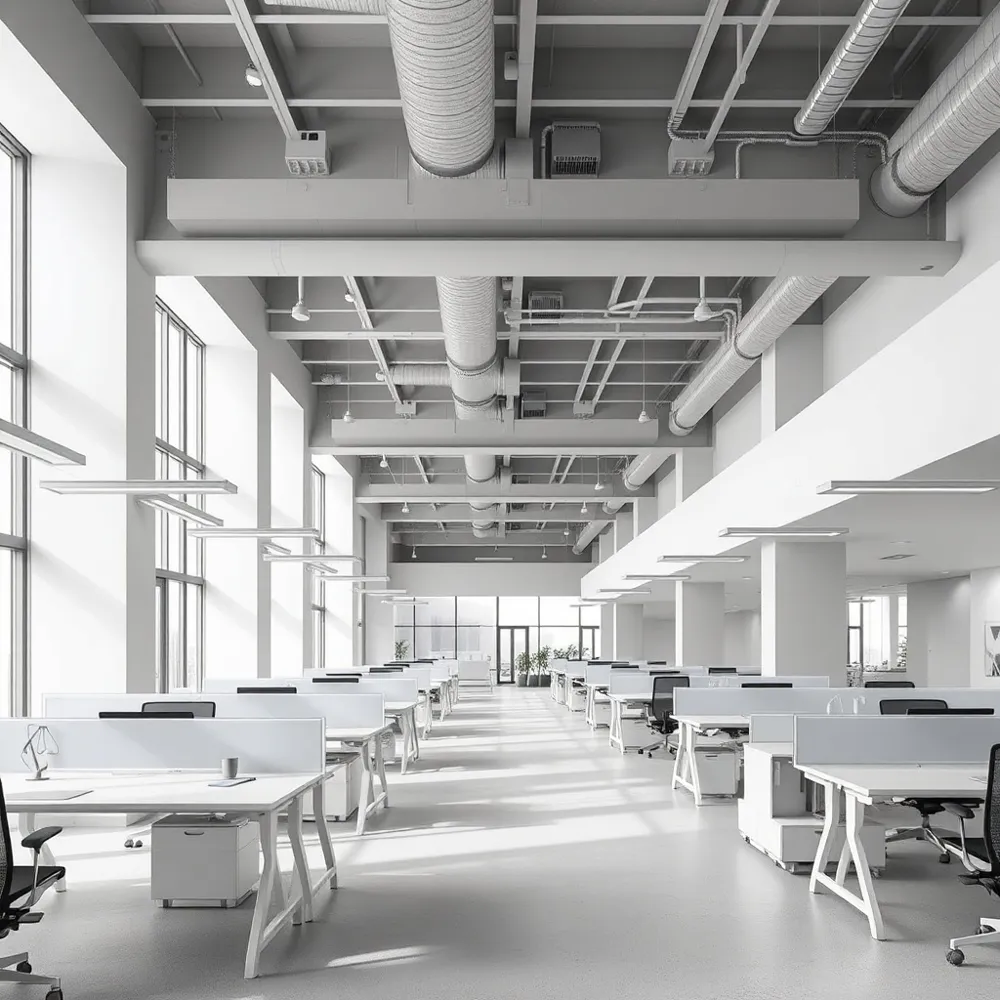
Streamlining your office procurement process requires more than selecting quality furniture. By opting for a comprehensive design, delivery, and installation model, businesses can bypass the fragmented coordination typical of multi-vendor projects. This integrated approach removes the complications of managing various delivery schedules and assembly teams, directly mitigating the risk of costly timeline delays.
What is the advantage of using a full-service installation model for office furniture? A full-service approach consolidates every phase of your project under one partner. Before finalizing your choices, you can use augmented reality to visualize exactly how desks, modular booths, or seating arrangements occupy your floor plan. This digital foresight allows for strategic layout adjustments that prioritize both staff ergonomics and overall aesthetic harmony.
Professional assembly is equally critical for long-term reliability. When furniture is installed by experts adhering to strict manufacturer specifications, you reduce the likelihood of hardware malfunctions and safety hazards. This professional finish ensures that your new environment remains functional and resilient. By removing the burden of manual assembly, your team remains focused on their daily operations, ensuring a smooth transition during the fit-out process. Choosing a single-source partner delivers the precision required to protect your investment and maintain a professional look throughout your workspace.
Bulk Pricing Strategies for Institutional Buyers
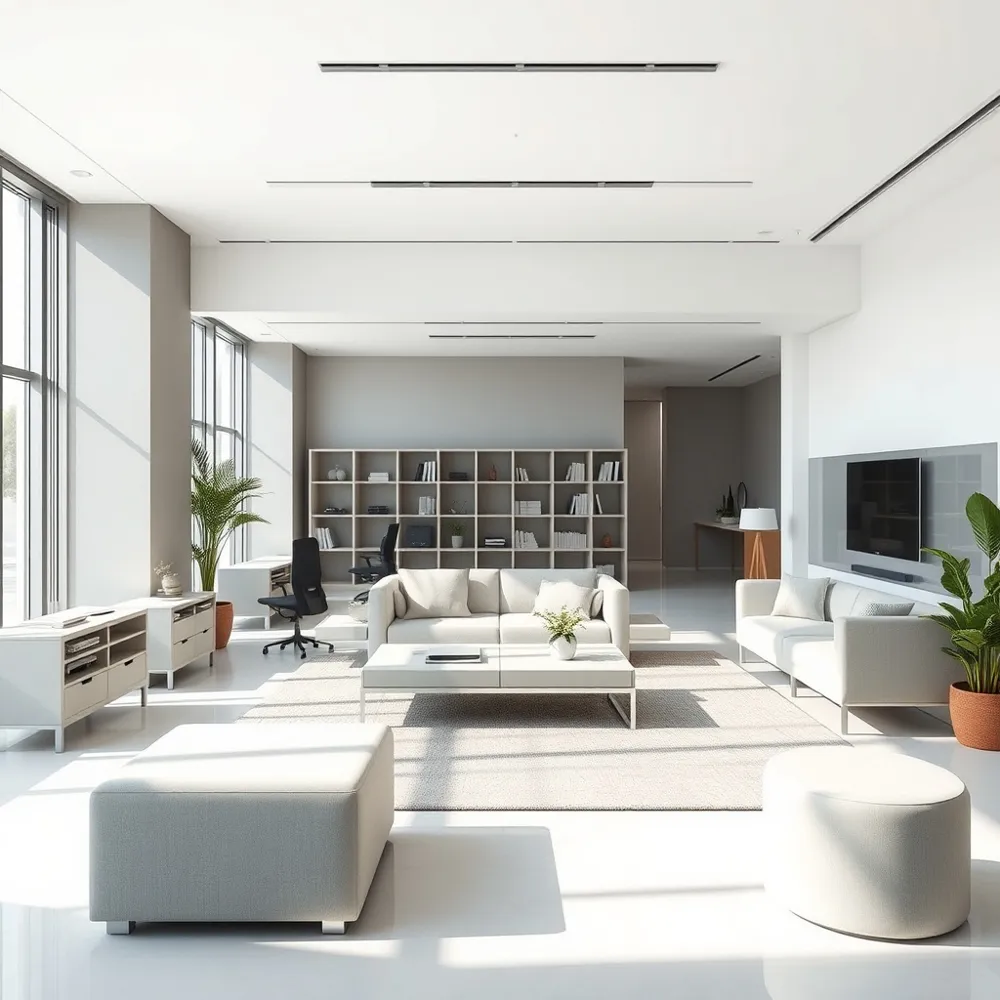
How do procurement managers secure cost-effective bulk pricing for office furniture? The most efficient path is consolidating your entire project with a single full-service partner rather than sourcing furniture through fragmented, small-lot orders. By centralizing procurement with a supplier like That’s My Office, buyers access institutional-level discount structures that remain unavailable through conventional retail channels.
Precise spatial planning is vital to protecting these volume-based savings. Utilizing augmented reality to visualize furniture within your exact office dimensions ensures that your floor plan works perfectly before you place a large-scale order. This accuracy mitigates the need for expensive post-procurement change orders, which are a common source of budget overruns for schools, government agencies, and corporate teams.
Aligning your bulk furniture strategy with specific business goals allows for more predictable financial forecasting. Adopting a consolidated design, delivery, and installation model eliminates the hidden costs of managing multiple vendors. By shifting to an all-in-one process, you remove the risks associated with fragmented logistics, handling fees, and assembly delays, ensuring your capital is invested directly into your workspace environment rather than administrative overhead.
Beyond Furniture: Acoustic Panels and Modular Booths
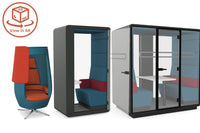
Effective workspace planning requires integrating more than just standard desks and chairs. Using augmented reality, facilities directors can now layer acoustic panels and modular phone booths directly into their existing floor plan to assess real-time noise management and spatial flow. This technology helps bridge the gap between abstract floor plans and physical reality, a capability That’s My Office offers as part of their comprehensive design and installation service to ensure every element fits its intended purpose.
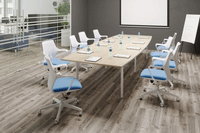
Precise placement is particularly critical for larger units that dictate traffic movement and environmental comfort. By visualizing meeting tables and high-capacity storage units before purchase, teams can verify adequate clearance and verify that these additions remain consistent with the overall office aesthetic. Unlike traditional catalogs that rely on static imagery, these interactive tools allow you to rotate and resize virtual models to capture the perfect balance of form and function.
The complexity of incorporating diverse furniture types often challenges procurement managers who hope to minimize errors. By using augmented reality to stage comprehensive layouts, businesses can proactively identify bottlenecks and ensure that acoustic solutions effectively serve their specific zones. This holistic approach ensures that every chosen element satisfies both operational needs and design standards, ultimately supporting a more productive work environment.
Real-World Results: ROI and Return Rate Reductions
Integrating augmented reality into the procurement journey provides measurable advantages for businesses and institutions seeking to optimize their workspace investments. Professional buyers can use these tools to validate their choices by previewing items in their actual locations using a 3D model, which helps build confidence in their selections before committing to a purchase.
The financial impact of virtual visualization extends beyond initial confidence to long-term cost avoidance. By allowing facilities managers to test the fit and functionality of acoustic panels or modular seating before finalizing an order, organizations significantly reduce the risk of logistical errors and associated restocking fees.
Conversion metrics further demonstrate the efficiency of this approach. Products featuring interactive, life-scale previews can experience a 94% uplift in conversion compared to items restricted to static catalog imagery. Tracking engagement markers such as interaction rates and dwell time on product pages helps procurement teams identify which configurations best serve their environment, ensuring that every purchase aligns with operational needs and space constraints.
Getting Started with WebAR: No App, No Friction
Integrating augmented reality into your procurement workflow is more accessible than ever thanks to WebAR. Unlike legacy platforms that require cumbersome software downloads, this technology runs directly in your existing mobile browser. You can trigger these immersive previews simply by clicking a URL or scanning a QR code, ensuring that staff across your organization can participate in design reviews without technical barriers.
To achieve the best results with augmented reality, ensure your workspace is well-lit and the floor is clear of unnecessary clutter. A clean camera lens on your device is essential for the software to accurately detect surface dimensions and anchor virtual models at true scale. These small adjustments provide a stable foundation for testing your configuration.
When planning complex layouts, start by placing your largest anchor piece in the scene first. Whether you are arranging a heavy meeting table or a prominent modular booth, securing the main element allows you to assess the surrounding traffic flow and ergonomics accurately before adding smaller items. This methodical approach ensures that every piece of furniture fits perfectly within your environment, helping you avoid the logistical headaches of returns.
Empower Your Next Office Fit-Out with AR
From real-time visualization to collaborative planning and full-service delivery, augmented reality and a comprehensive procurement partner like That’s My Office address the most common risks in office fit-outs. The combination of accurate spatial confirmation and professional support reduces costly post-purchase errors.
That’s My Office integrates its AR visualization tool directly into the purchasing journey, allowing buyers to confirm scale, placement, and style against their actual floor plans. This capability, paired with design consultation, delivery, and on-site installation, means organisations can execute a single-source strategy rather than managing multiple vendors and guesswork.
For procurement managers, facilities directors, and institutional buyers, the path is clear: use AR to validate every item before committing, then rely on a partner that handles configuration through assembly. The result is lower return rates, faster decision cycles, and a workspace that matches the plan precisely, backed by UK-based professional support.



0 comments